Selling a House With Major Defects in Virginia
By Virginia Cash Real Estate ·
Most houses have a few things wrong with them. A dripping faucet or a tired water heater won't stop a sale. But some problems are different. They show up on the inspection report in bold, they make lenders and insurance companies nervous, and they can turn a normal sale into a months-long negotiation or a deal that falls apart at the last minute.
This guide is for Virginia homeowners who already know (or strongly suspect) their house has one of those problems. It explains which defects tend to cause the most trouble, how they affect inspections, appraisals, financing and insurance, and how to decide between three honest options: fix it, sell it on the market and negotiate, or sell the house as-is for cash. Sometimes the right answer is to repair it. We'll say so when it is.
Why Some Defects Matter More Than Others
A defect becomes a "major" one when it touches at least one of four gatekeepers in a home sale:
- The home inspector. Buyers almost always order an inspection. Anything flagged as a safety hazard, an active failure, or a system near the end of its life becomes a negotiation point.
- The appraiser. For FHA and VA loans in particular, appraisers are asked to note health and safety issues and conditions that affect the property's soundness. Some items have to be fixed before the loan can close.
- The lender. If the appraisal or inspection raises a repair requirement, the lender may refuse to fund until it's done. Cash buyers are a small slice of the market, so most sales depend on a lender saying yes.
- The insurer. A buyer can't close on a mortgage without a homeowners policy. Some insurers decline, surcharge, or require an inspection on homes with certain wiring, plumbing or roof types.
When a problem trips more than one of these at once, the pool of buyers who can actually close shrinks. That's what makes a house hard to sell.
Why Virginia Homes Run Into These Problems
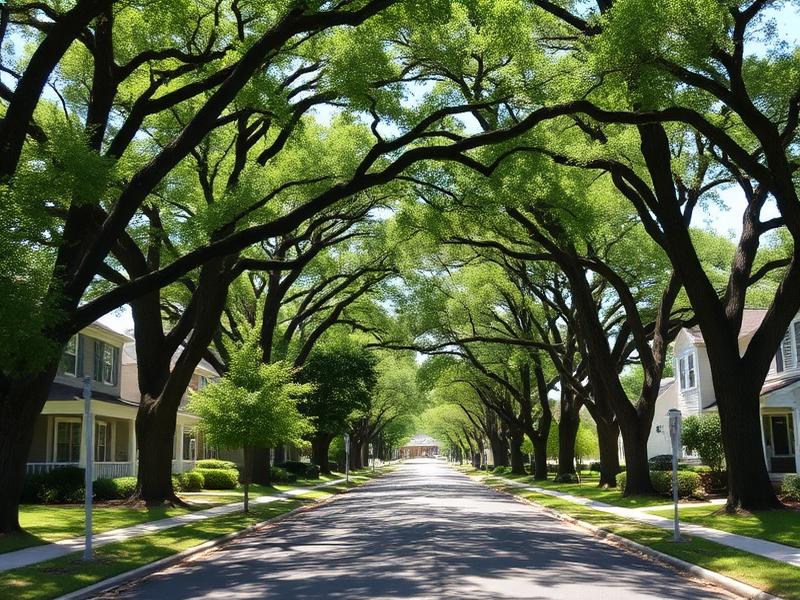
Virginia has a wide spread of housing ages. In Hampton Roads, you'll find older neighborhoods in Norfolk, Portsmouth and Hampton built before World War II, large waves of post-war and 1960s–1970s construction across Virginia Beach, Chesapeake and Newport News, and a building boom in the early 2000s. Each era has its own signature problems:
- Pre-1950s homes may still have knob-and-tube wiring, galvanized steel water lines, and clay or cast iron sewer laterals.
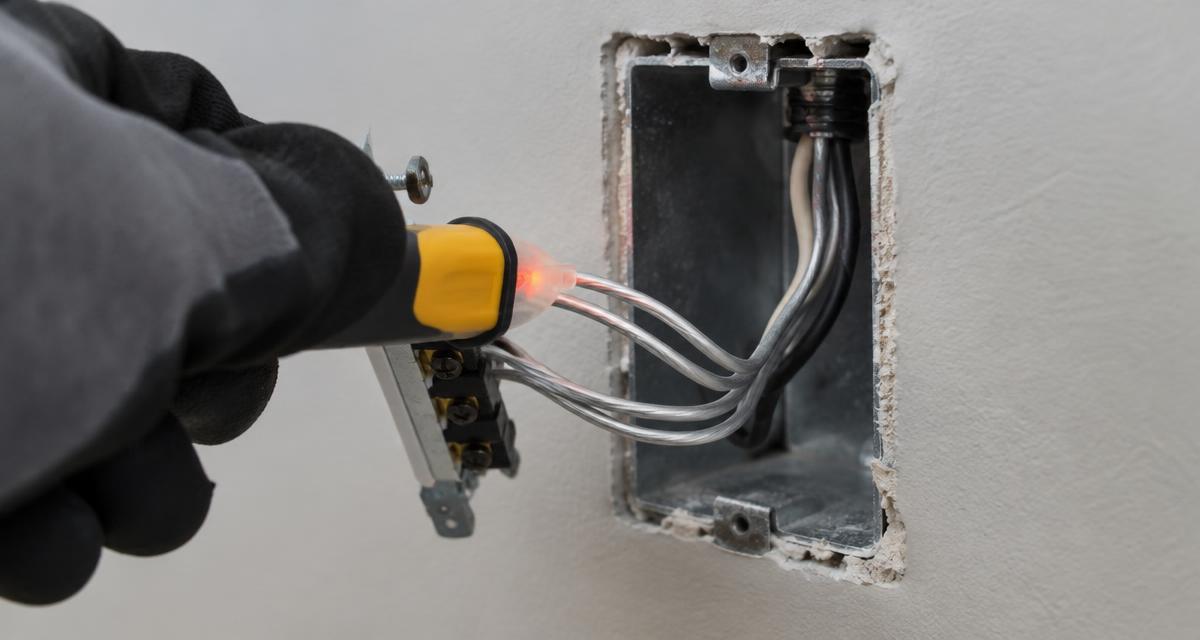
- 1960s–1970s homes are where single-strand aluminum branch wiring and certain electrical panels show up.
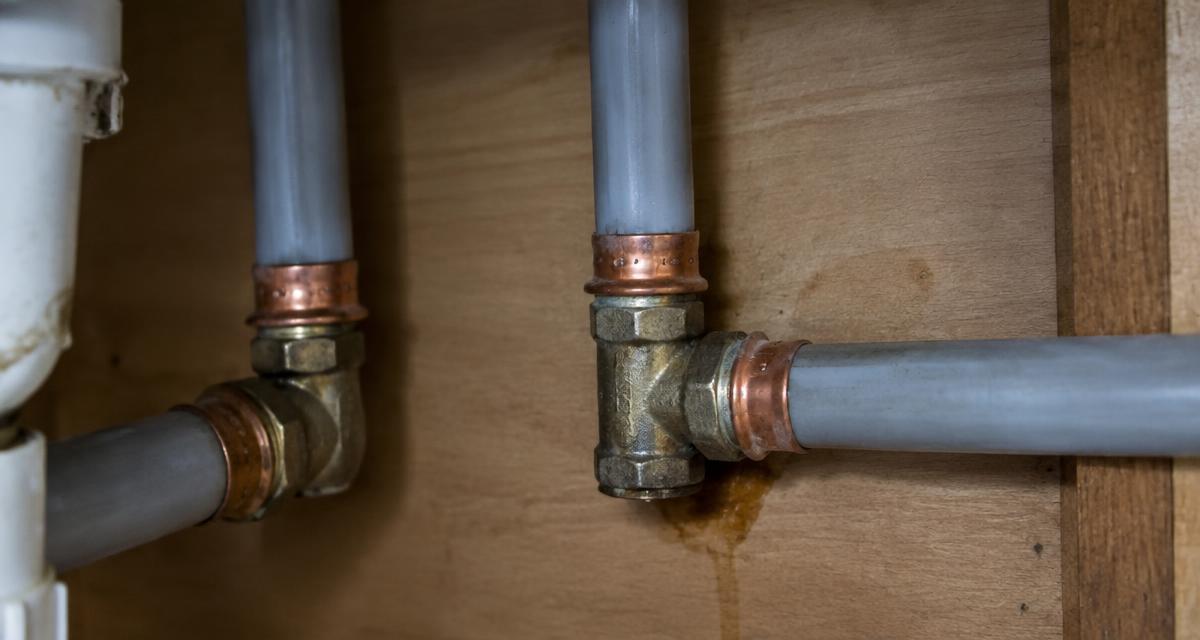
- Late 1970s to mid-1990s homes are the era of polybutylene water supply pipe.
- Early-to-mid 2000s homes in parts of southeastern Virginia were affected by defective imported drywall.
On top of that, the coastal climate matters. High humidity, a high water table, and periodic flooding in low-lying areas put extra stress on crawlspaces, foundations, and underground pipes, and make moisture problems like mold more common.
The Defects That Most Often Complicate a Sale
Polybutylene (Quest) Plumbing
Gray plastic water supply pipe installed widely from the late 1970s through the mid-1990s. It's known for failing without warning, and many insurers treat it as a red flag. Read the full guide: selling a house with polybutylene plumbing in Virginia.
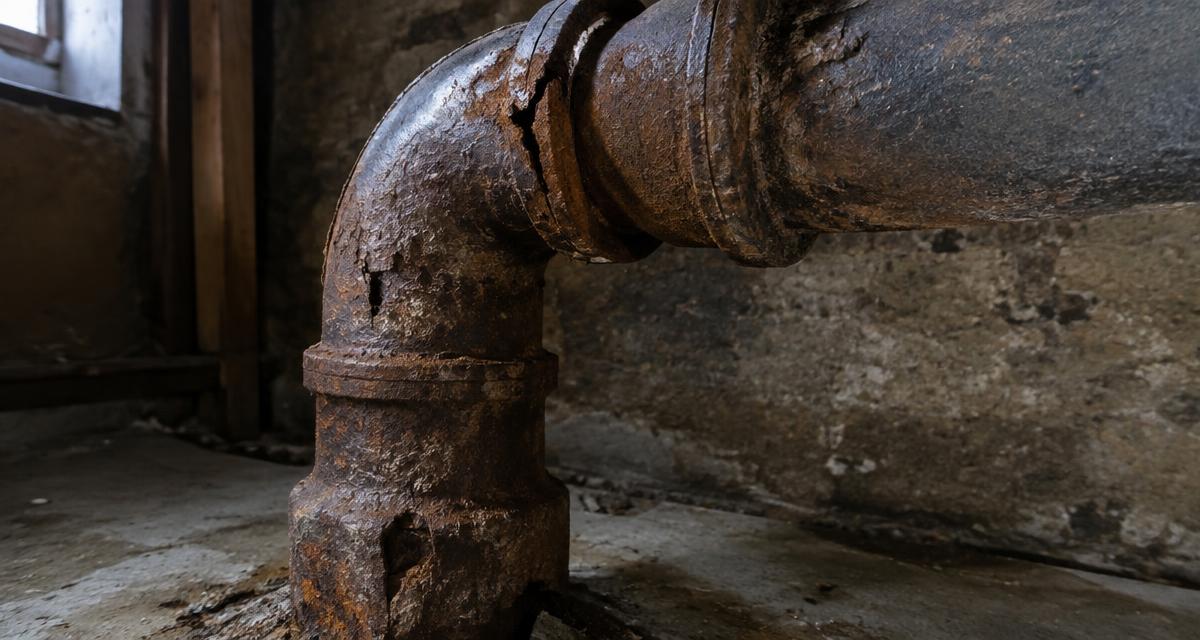
Cast Iron Sewer Lines
Common in older homes, especially those built before the 1970s. Cast iron can corrode from the inside, crack, and let roots in. A sewer scope during inspection often reveals the problem. Read: selling a house with cast iron sewer pipes.
Aluminum Wiring
Single-strand aluminum branch circuits installed mostly in the mid-1960s to early 1970s. The concern is overheating at connections. There are recognized repair methods short of a full rewire. Read: selling a house with aluminum wiring in Virginia.
Chinese (Defective) Drywall
Imported drywall used in some homes built or renovated roughly 2001–2009. It can release sulfur gases that corrode copper wiring and AC coils. Virginia was one of the states most affected. Read: selling a house with Chinese drywall in Virginia.
Foundation Problems
Settlement cracks, sinking piers, bowing walls, and moisture-damaged crawlspace framing. These are among the most expensive and most negotiated defects. Read: selling a house with foundation problems in Hampton Roads and our breakdown of foundation repair costs vs. a cash sale.
Mold
Very common in humid coastal Virginia, especially in crawlspaces, bathrooms and homes that have had leaks. Read: selling a house with mold in Hampton Roads and mold remediation costs vs. a cash sale.
Fire and Smoke Damage
Even a contained fire can leave smoke damage, wiring problems and insurance complications behind. See our page on selling a fire damaged house.
Other Problems Worth Knowing About
- Knob-and-tube wiring. Early 1900s wiring with no ground. Many insurers won't write a policy until it's replaced. Read: selling a house with knob-and-tube wiring in Virginia.
- Federal Pacific (Stab-Lok) and Zinsco panels. Older electrical panels that many inspectors flag for replacement because of concerns about breakers failing to trip. Read: selling a house with a Federal Pacific or Zinsco panel.
- Galvanized steel water pipes. They corrode from the inside, reduce water pressure, and eventually leak. Read: selling a house with galvanized steel pipes in Virginia.
- Orangeburg and clay (terracotta) sewer lines. Orangeburg is a fiber pipe that deforms over time. Clay pipe holds up well on its own, but its joints let roots in and can shift. Both are covered in our guide to selling a house with cast iron sewer pipes.
- Roof at end of life. An old roof can block FHA/VA financing and make insurance harder to get.
Ready to Sell Your Hampton Roads Home Fast?
Virginia Cash Real Estate buys houses across Hampton Roads for cash — no repairs, no fees, no commissions. Get a fair cash offer within 24 hours.
How Major Defects Affect Each Step of a Traditional Sale
Inspection. The problem gets documented in writing. Even if you already knew about it, the buyer now has a professional report to negotiate with, and often a contractor estimate on top of it.
Repair requests. Buyers typically ask for repairs, a credit, or a price reduction. Contractor quotes obtained under deadline pressure tend to come in high.
Appraisal and financing. On FHA and VA loans especially, the appraiser may require certain repairs before closing. Conventional lenders can also condition a loan on repairs. If you can't or won't make them, the deal stalls.
Insurance. If the buyer's insurer won't write a policy, the buyer can't close with a mortgage, no matter how much they love the house.
Disclosure. Virginia is generally a "buyer beware" state, and sellers mostly provide a disclosure statement rather than a detailed condition report. But that doesn't protect a seller who actively hides a known defect or misrepresents it. A few issues, including known defective drywall, carry specific disclosure requirements under Virginia law. If you're unsure, talk to a real estate attorney.
Repair, List, or Sell As-Is: How to Decide
There's no single right answer. Here's an honest way to think about it.
Repairing usually makes sense when:
- The fix is well-defined and affordable for you, like replacing one electrical panel or a section of sewer line.
- The rest of the house is in good shape and would sell well once the issue is resolved.
- You have the time, cash, and patience to manage contractors and permits.
- The repair would make the house financeable for FHA/VA buyers, which widens your pool.
Listing and negotiating can work when:
- The defect is known, priced, and not a deal-breaker for lenders or insurers.
- You're willing to offer a credit and accept some back-and-forth.
- The house is in a high-demand neighborhood where buyers will tolerate a project.
Selling as-is for cash often makes more sense when:
- The repair is large, open-ended, or the scope is uncertain (for example, a whole-house repipe, a full rewire, or drywall remediation).
- The house has more than one major problem at once.
- You can't fund repairs up front, or you're dealing with an inherited house, a tight timeline, or an out-of-state move.
- Previous buyers have already walked away after inspection.
If you're leaning toward that last path, our major repairs page explains exactly how we buy houses that need serious work: no repairs, no cleaning, no inspection contingencies, and an offer that accounts for the condition up front.
What an As-Is Cash Sale Looks Like
When you sell to a local cash buyer, the defect doesn't need to be fixed or financed. We walk the property, factor the repair into our offer, and close on your timeline. You won't get the same price as a fully repaired house, and anyone who tells you otherwise isn't being straight with you. What you get in exchange is certainty: no repair bills, no lender conditions, and no buyer backing out after inspection.
We buy distressed houses as-is for cash across Hampton Roads, including Virginia Beach, Norfolk, Chesapeake, Portsmouth, Hampton, Newport News and Suffolk. For a broader look at the process, see our complete guide to selling a house as-is in Hampton Roads.