Selling a House With Galvanized Steel Pipes in Virginia
By Virginia Cash Real Estate ·
If your house was built before the early 1960s and the plumbing has never been replaced, there's a good chance the water supply lines are galvanized steel. Buyers' inspectors look for it, plumbers warn about it, and once it's written up in an inspection report, it becomes part of every negotiation.
This guide explains what galvanized pipe is, why it concerns buyers and insurers, what replacement actually involves, and how to decide between repiping before you sell and selling the house as it is. It's part of our larger guide to selling a house with major defects in Virginia.
What Is Galvanized Steel Plumbing?
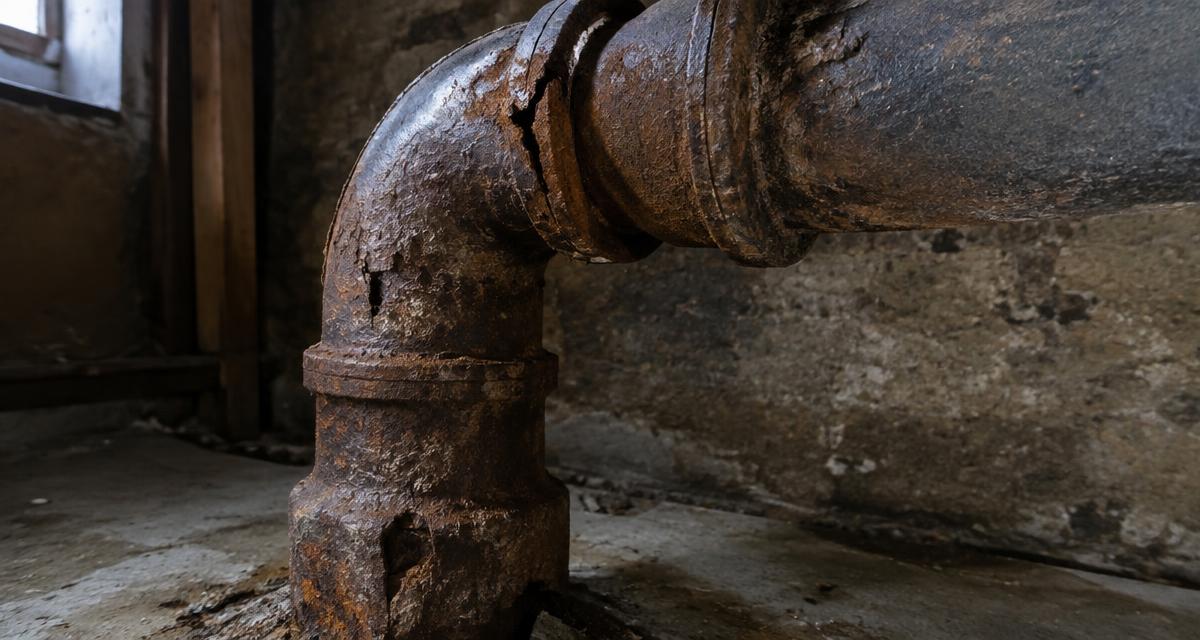
Galvanized pipe is steel pipe coated in zinc, and it was the standard material for water supply lines in American homes from the early 1900s through the 1950s and early 1960s. The zinc coating was meant to prevent rust, and for a while it does. But over decades, the coating wears away and the pipe corrodes from the inside out.
That internal corrosion causes the problems sellers run into:
- Reduced water pressure. Mineral buildup and rust narrow the inside of the pipe, sometimes to a fraction of its original diameter.
- Discolored water. Rust flakes can turn water brown or yellow, especially after the water has been sitting.
- Leaks. Corrosion eventually eats through the pipe wall, often at threaded joints. Because the pipe looks fine from the outside until it fails, leaks can start inside walls or under floors without warning.
- Hidden condition. A house can have decent pressure on the top floor and a nearly blocked line feeding a bathroom — the problems are uneven and hard to predict.
Most galvanized plumbing is now 60 to 100 years old, which is well past its expected service life. Even pipes that aren't leaking today are living on borrowed time.
How to Tell If Your House Has It
- Age of the house: Virginia homes built before about 1960 are the likely candidates. In Hampton Roads, that covers much of older Norfolk, Portsmouth, Hampton and Newport News.
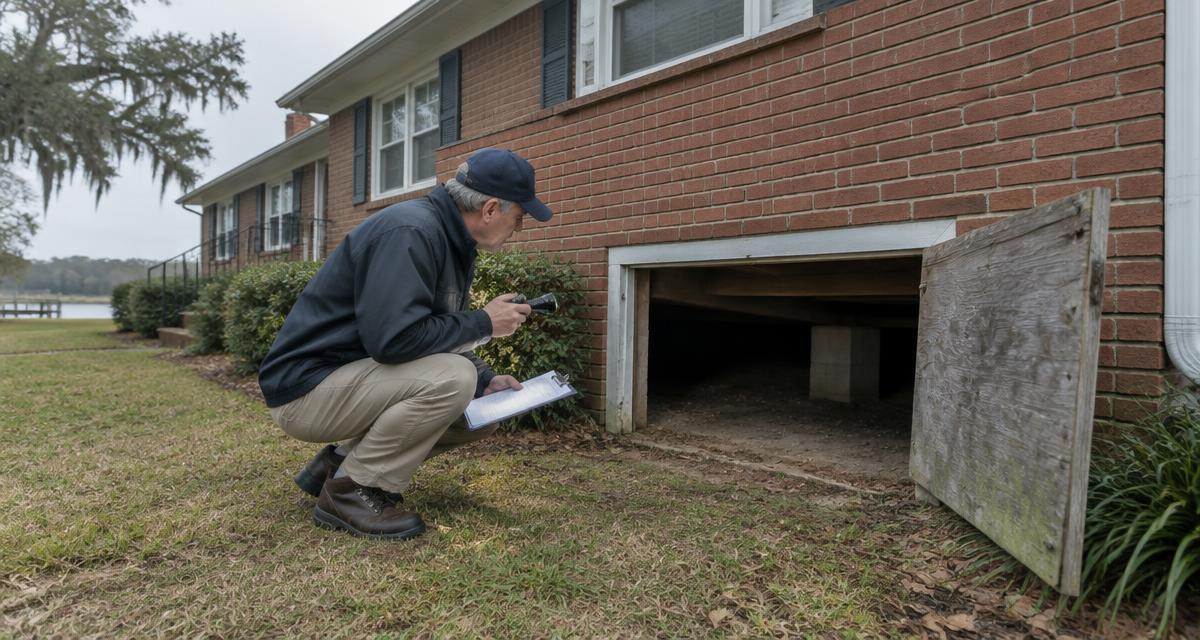
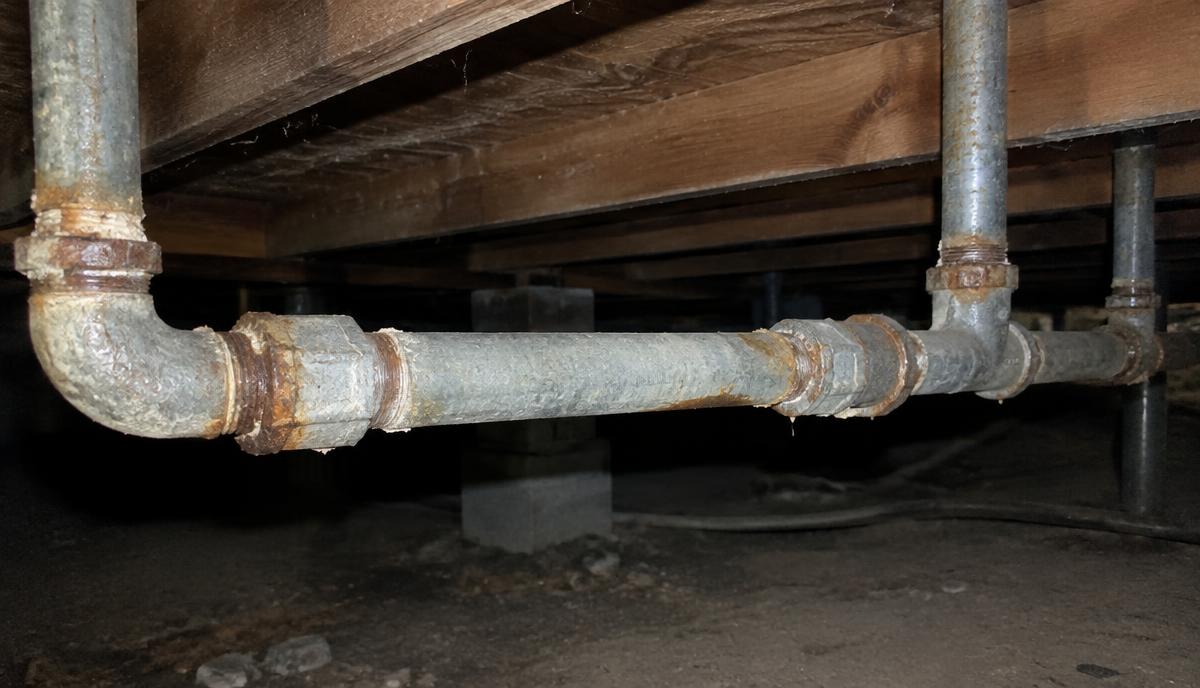
- The scratch test: Find an exposed pipe in the crawlspace, basement or near the water heater. Galvanized steel is dull gray, and a magnet sticks to it. Copper is brownish and not magnetic; plastic is obviously plastic.
- Water pressure: Weak flow at fixtures farthest from the main, or pressure that drops when two fixtures run at once, is a classic symptom.
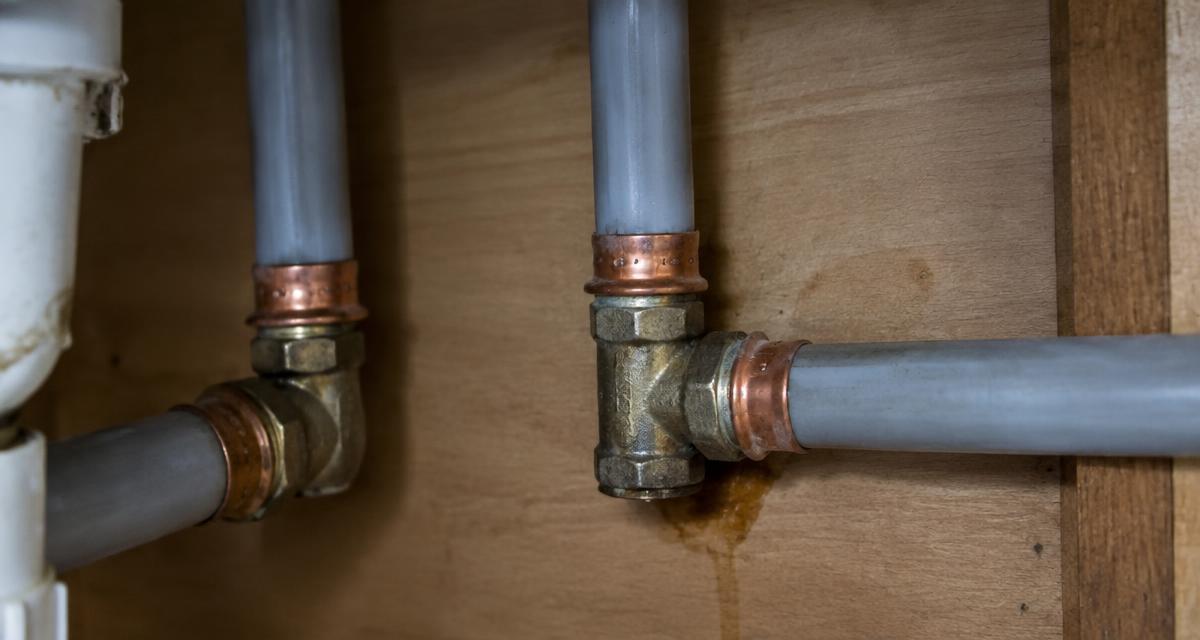
- Mixed systems: Many older homes have been partially repiped over the years. It's common to find copper or PEX in some areas and original galvanized lines feeding others. Inspectors will note whichever they find.
Ready to Sell Your Hampton Roads Home Fast?
Virginia Cash Real Estate buys houses across Hampton Roads for cash — no repairs, no fees, no commissions. Get a fair cash offer within 24 hours.
How Galvanized Pipes Affect a Home Sale
Inspection
Home inspectors routinely call out galvanized supply lines, note their age, and recommend evaluation or replacement by a licensed plumber. Once that language is in the report, every buyer who reads it prices in a repipe — usually at the high end of what a plumber quoted them under deadline pressure.
Water Quality and Appraisal
If the water runs discolored during the appraisal or inspection, it can be flagged as a health and safety concern, which matters most on FHA and VA loans. Active leaks or non-functioning plumbing generally have to be fixed before those loans can close.
Insurance
Galvanized plumbing is less of an insurance trigger than polybutylene, but some insurers ask about plumbing age and type, and an active leak history can complicate coverage. The bigger issue is usually buyer perception and financing.
Buyer Perception
Retail buyers hear "original 1940s plumbing" and imagine the worst. Even when the pipes are functioning, many buyers either walk or demand a credit large enough to cover a full repipe plus the hassle of living through one.
What Fixing It Involves
The real fix is a whole-house repipe — replacing the galvanized supply lines with PEX or copper. That typically means:
- Opening walls and ceilings to run new lines
- Replacing the main service line from the meter if it's also galvanized
- Patching and painting afterward
- Permits and inspection through your city or county
Cost depends on the size of the house, the number of bathrooms, and how accessible the pipes are. Crawlspace homes are generally easier and cheaper than slab homes. Get at least two written quotes from licensed plumbers before deciding — we won't quote a number here because the range is wide.
Patching individual leaks is possible, but it's a short-term answer. It doesn't change what the next inspection report will say, and it doesn't reassure buyers.
Should You Repipe or Sell As-Is?
Repiping first usually makes sense if:
- The rest of the house is in good shape and would sell well with updated plumbing.
- You have the cash and the patience for a few days of construction and patching.
- Your likely buyers are using FHA, VA or conventional financing and need a clean inspection.
A completed repipe with permits and receipts is a genuine selling point, and you'll usually net more than the repair cost in that situation.
Selling as-is makes more sense if:
- The pipes have already leaked and there's water damage, staining or mold to deal with too.
- The house has other age-related issues — an older sewer line, knob-and-tube wiring, or an outdated electrical panel — and the projects stack up.
- You don't have the cash up front, or you're settling an estate or working on a deadline.
- A buyer has already walked after the inspection.
If you're leaning that way, our major repairs page explains how we buy Hampton Roads houses that need serious work. We factor the repipe into our offer so you don't manage plumbers, permits or drywall patching.
Selling a House With Galvanized Pipes in Hampton Roads
We buy houses with old plumbing as-is for cash across Hampton Roads, and galvanized supply lines are something we see constantly in the older neighborhoods of Norfolk, Portsmouth and Hampton. We'll look at the house as it stands, tell you honestly whether we think a repipe-and-list approach would net you more, and make a cash offer if selling as-is is the better fit.