Selling a House With Aluminum Wiring in Virginia
By Virginia Cash Real Estate ·
Aluminum wiring sounds scarier than it often is. Unlike some defects, it has well-established repair methods that don't require tearing out every wire in the house. But it still trips up a lot of Virginia home sales, mostly because of how inspectors and insurance companies react to it.
This guide explains what aluminum wiring is, why it matters, how it affects a sale, what fixing it involves, and when repairing makes more sense than selling as-is (and vice versa). It's part of our guide to selling a house with major defects in Virginia.
What Is Aluminum Wiring and Why Is It a Concern?
During the mid-1960s to early 1970s, when copper prices spiked, many builders used single-strand aluminum wire for the branch circuits that feed outlets, switches and lights. A lot of Virginia homes from that era have it, including many ranch and split-level homes in Virginia Beach, Chesapeake, Norfolk and Newport News.
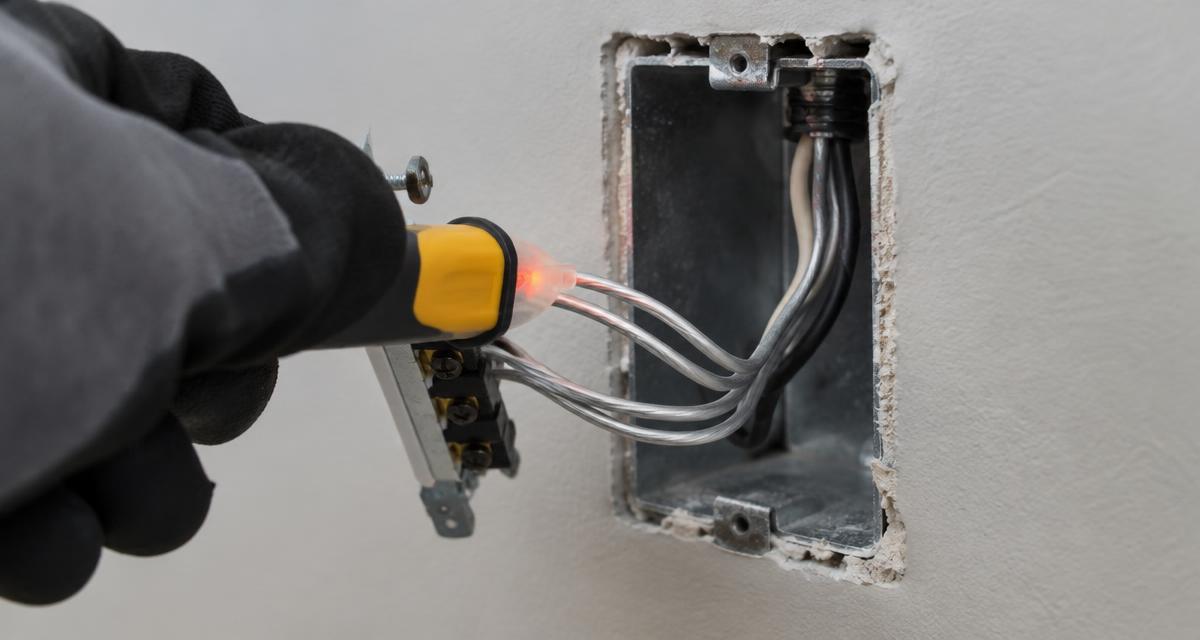
The concern isn't the wire itself running through the walls. It's the connections. Aluminum expands and contracts more than copper as it heats and cools, it oxidizes, and it doesn't play well with devices designed for copper. Over time, connections at outlets, switches and splices can loosen and overheat. The U.S. Consumer Product Safety Commission has studied the issue and published guidance on it, and it's why inspectors take it seriously.
Two clarifications that matter:
- Large aluminum service cables (like the main feed to your panel or to an electric range) are common and normal. The concern is mainly with small single-strand branch circuit wire.
- Copper-clad aluminum is a different product and generally isn't treated the same way.
Signs Your House Has It
- Wire jackets stamped "AL" or "ALUMINUM," visible in the panel, attic, or basement
- Silver-colored wire at outlets or switches (turn off power before looking)
- Warm cover plates, flickering lights, a burning smell, or outlets that stop working
If you notice heat or burning smells, call a licensed electrician right away, whether you're selling or not.
How Aluminum Wiring Affects a Home Sale
Inspection
Virginia home inspectors will almost always note single-strand aluminum branch wiring and recommend evaluation by a licensed electrician. Some will also note specific overheated or improperly connected devices.
Insurance
This is where it often bites. Many insurers ask about wiring type. Some decline, some require an electrician's inspection letter, and some will write a policy only after the connections have been remediated. Without insurance, a buyer using a mortgage can't close.
Appraisal and Financing
Aluminum wiring isn't automatically a disqualifier for FHA, VA or conventional loans. But if the appraiser sees hazards, such as scorched outlets, exposed connections, or a panel with obvious problems, those may need to be fixed before closing.
Buyer Perception
Many buyers have heard "aluminum wiring is a fire hazard" without knowing the details. Expect questions and a request for a credit.
Ready to Sell Your Hampton Roads Home Fast?
Virginia Cash Real Estate buys houses across Hampton Roads for cash — no repairs, no fees, no commissions. Get a fair cash offer within 24 hours.
What Fixing It Involves
There are three common approaches. A licensed electrician can tell you which fits your house.
1. Pigtailing with approved connectors. A short piece of copper wire is joined to the aluminum at each outlet, switch and fixture using a connector specifically listed for aluminum-to-copper connections (AlumiConn is one widely used example). This is often the most practical fix.
2. COPALUM crimp repair. A specialized crimp connection that has long been recognized as a permanent repair method. It requires trained, equipped installers, which can make it harder to find.
3. Full rewire with copper. Replaces the aluminum entirely. It's the most thorough option, but also the most invasive and expensive, because it means opening walls and ceilings.
Simply swapping in outlets labeled "CO/ALR" is sometimes offered as a fix, but the CPSC has historically not recommended it as a complete repair. Pricing depends on the size of the house, the number of devices, the method chosen and access. Get written quotes and make sure the work is permitted.
Should You Repair the Wiring or Sell As-Is?
This is one of the defects where repairing first is often the right call. Remediating the connections is usually much less disruptive than replacing plumbing or remediating drywall, and a completed, permitted repair with an electrician's letter can put buyers and insurers at ease.
Repair first if:
- The rest of the house is in decent shape.
- An electrician recommends pigtailing or COPALUM rather than a full rewire.
- Your likely buyers need insurance and financing.
Selling as-is makes more sense if:
- An electrician recommends a full rewire, or the panel also needs replacing (for example, an older Federal Pacific or Zinsco panel).
- The house has other major issues, like polybutylene plumbing, foundation problems or fire damage.
- You don't have the funds or time to manage the project, or the house is inherited or vacant.
If you're in that second group, see our major repairs page for how we buy houses that need significant work. We account for electrical repairs in our offer, and you don't have to deal with electricians, permits, or insurance letters.
Selling a House With Aluminum Wiring in Hampton Roads
We buy houses with aluminum wiring as-is for cash across Hampton Roads, including 1960s and 1970s neighborhoods in Virginia Beach, Norfolk and Chesapeake. If a straightforward electrical repair would get you more money on the open market, we'll tell you so.