Selling a House With a Federal Pacific or Zinsco Electrical Panel in Virginia
By Virginia Cash Real Estate ·
If your house was built or rewired between the 1950s and the early 1980s, there's a decent chance the electrical panel is a Federal Pacific Stab-Lok or a Zinsco. Both brands show up constantly in Hampton Roads inspection reports, and both have a reputation that makes inspectors, insurers and buyers nervous.
This guide explains what these panels are, why they're flagged, what replacement involves, and how to decide between swapping the panel before you sell and selling the house as it is. It's part of our larger guide to selling a house with major defects in Virginia.
What Are Federal Pacific and Zinsco Panels?
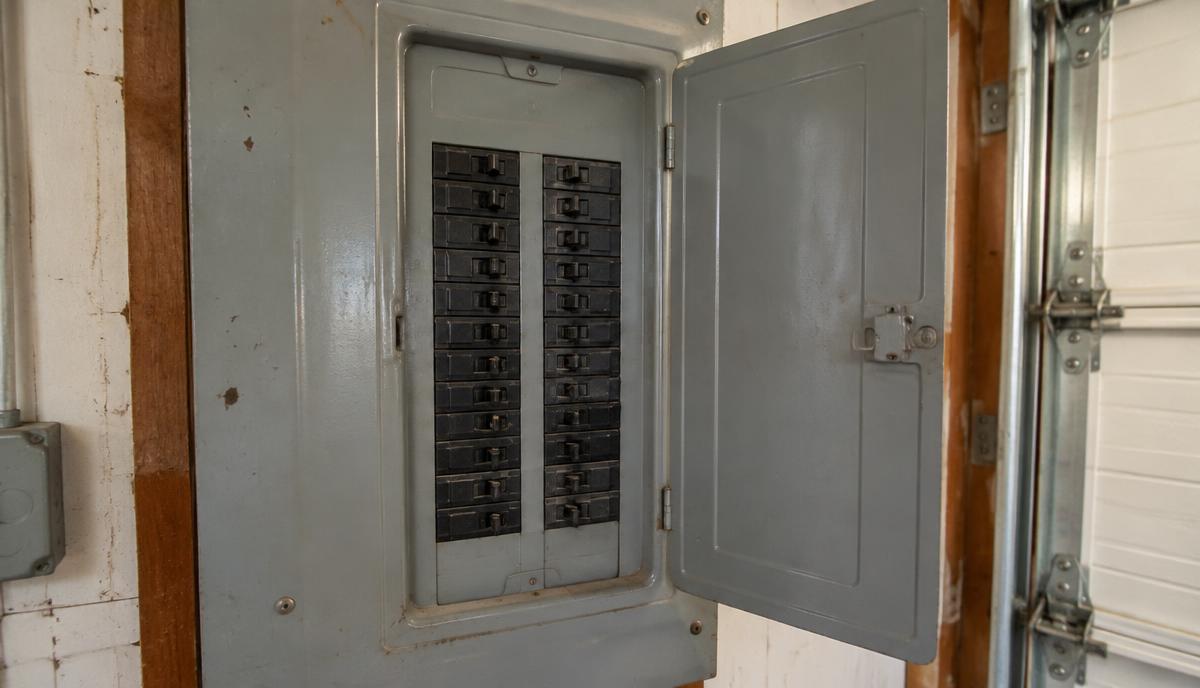
The electrical panel is the metal box — usually in a garage, utility room, hallway or basement — where the main service enters the house and circuit breakers distribute power. Two older brands dominate the "problem panel" conversation:
- Federal Pacific Electric (FPE) Stab-Lok. Installed widely from the 1950s through the early 1980s. The concern, documented in independent testing and litigation decades ago, is that some of these breakers may fail to trip when a circuit is overloaded — the one job a breaker exists to do. Federal Pacific lost its UL listing in the early 1980s and is long out of business.
- Zinsco (later sold as GTE-Sylvania). Common in the 1960s and 1970s. The concern is that breakers can fuse to the bus bar and fail to trip, and that connections can overheat and arc inside the panel.
Neither panel is considered an immediate emergency in every case, and plenty of homes with them have never had a problem. But because the failure mode is a breaker that doesn't trip during an overload, the downside is a fire risk rather than an inconvenience — which is why inspectors and insurers take them seriously.
How to Tell If Your House Has One
- Age of the house: Virginia homes built or rewired from the 1950s through the early 1980s. In Hampton Roads that's a lot of the post-war housing in Norfolk, Virginia Beach, Chesapeake and Newport News.
- The label: Open the panel door and look at the manufacturer's label. Federal Pacific panels usually say "FPE" or "Federal Pacific" and "Stab-Lok." Zinsco panels say "Zinsco" or "GTE-Sylvania" and often have distinctive colored breaker handles.
- The inspection report: If you've had a home inspection in the past, check the electrical section — these panels are almost always called out by name.
How These Panels Affect a Home Sale
Inspection
Home inspectors in Virginia routinely flag Federal Pacific and Zinsco panels and recommend evaluation or replacement by a licensed electrician. Once it's in the report, the buyer has a documented safety concern to negotiate with.
Insurance
Some insurers ask about the electrical panel brand on the application, and some decline or surcharge homes with these panels. Because a buyer needs insurance to close on a mortgage, this can stall or kill a financed sale.
Financing
The panel alone doesn't usually block a loan. But if the appraiser or inspection report raises an electrical safety concern, a lender can condition the loan on repair — and without insurance, no loan closes at all.
Buyer Perception
Buyers who Google "Federal Pacific panel" find words like "fire hazard" within seconds. Expect credit requests priced at the high end of replacement cost, or buyers who simply move on to the next house.
Ready to Sell Your Hampton Roads Home Fast?
Virginia Cash Real Estate buys houses across Hampton Roads for cash — no repairs, no fees, no commissions. Get a fair cash offer within 24 hours.
What Fixing It Involves
The fix is a panel replacement (often called a panel upgrade or heavy-up if the amperage increases at the same time):
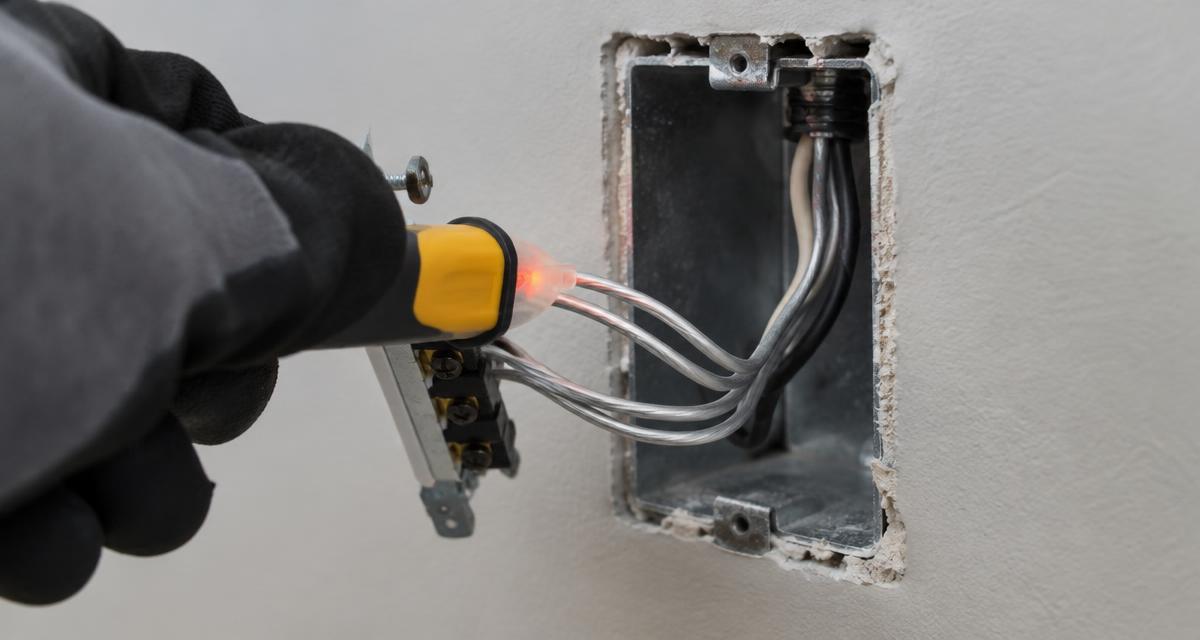
- A licensed electrician removes the old panel and installs a modern one with new breakers
- The utility coordinates a temporary disconnect and reconnect
- Permits and inspection through your city or county
- Sometimes the meter base or service entrance cable needs updating at the same time
Compared to a rewire or a repipe, this is one of the more contained major-defect repairs — usually a day of work plus permitting. Cost depends on amperage, whether the service entrance needs work, and local permit requirements. Get at least two written quotes from licensed electricians.
One thing to know: replacement breakers for these panels exist, but swapping breakers doesn't address the underlying concerns inspectors and insurers have. Replacement of the panel itself is the fix that changes the conversation.
Should You Replace the Panel or Sell As-Is?
Replacing the panel first usually makes sense if:
- It's the house's only significant issue and the rest would show well.
- You can pay for the work and wait for permits and scheduling.
- Your likely buyers are using financing and need insurance in place.
Of all the defects in this cluster, this is the one where fixing first most often pencils out, because the repair is relatively contained.
Selling as-is makes more sense if:
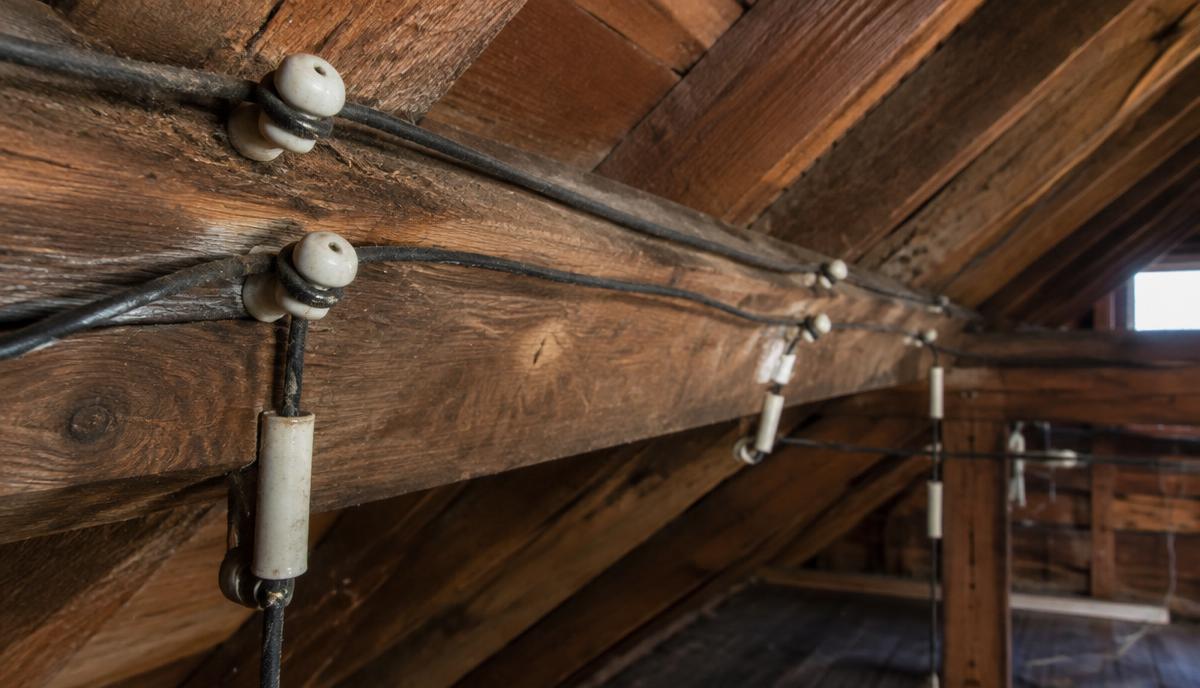
- The panel is one item on a longer list — aluminum wiring, knob-and-tube, old plumbing, a tired roof — and the projects stack up.
- You're settling an estate, selling from out of state, or working on a deadline.
- A buyer has already walked after the inspection and you don't want to repeat the cycle.
If you're leaning that way, our major repairs page explains how we buy Hampton Roads houses that need work. We factor the electrical work into our offer so you don't manage electricians, permits or utility coordination.
Selling a House With an Older Panel in Hampton Roads
We buy houses with outdated electrical panels as-is for cash across Hampton Roads, and Federal Pacific and Zinsco panels are something we see regularly in post-war neighborhoods in Norfolk, Virginia Beach and Chesapeake. We'll look at the house as it stands, tell you honestly whether a panel swap before listing would likely net you more, and make a cash offer if selling as-is is the better fit.