Selling a House With Polybutylene (Quest) Plumbing in Virginia
By Virginia Cash Real Estate ·
If your home inspector, insurance agent, or a plumber has told you your house has polybutylene pipe, you've probably heard the word "repipe" in the same breath. Polybutylene is one of the most common reasons a Virginia house built in the 1980s or early 1990s runs into trouble during a sale.
This guide explains what polybutylene is, why buyers and insurers care, what fixing it actually involves, and how to decide whether to repipe before you sell or sell the house as it is. It's part of our larger guide to selling a house with major defects in Virginia.
What Is Polybutylene Pipe?
Polybutylene is a flexible plastic water supply pipe that was installed in millions of U.S. homes from roughly the late 1970s through the mid-1990s. It was cheap and easy to install, which made it popular with builders during the housing boom of that era. You'll often see it sold under the brand name Quest.
It fell out of use because it developed a reputation for failing. The commonly cited explanation is that chlorine and other oxidants in treated municipal water gradually break down the pipe and some of its fittings from the inside, making it brittle. The result is leaks that can start without much warning, sometimes inside a wall or ceiling. Problems with the fittings and how they were crimped also contributed.
Widespread failures led to a large national class-action settlement in the 1990s (often referred to as Cox v. Shell Oil). That settlement's claim window has long since closed, so it isn't a source of money for homeowners today.
How to Tell If Your House Has It
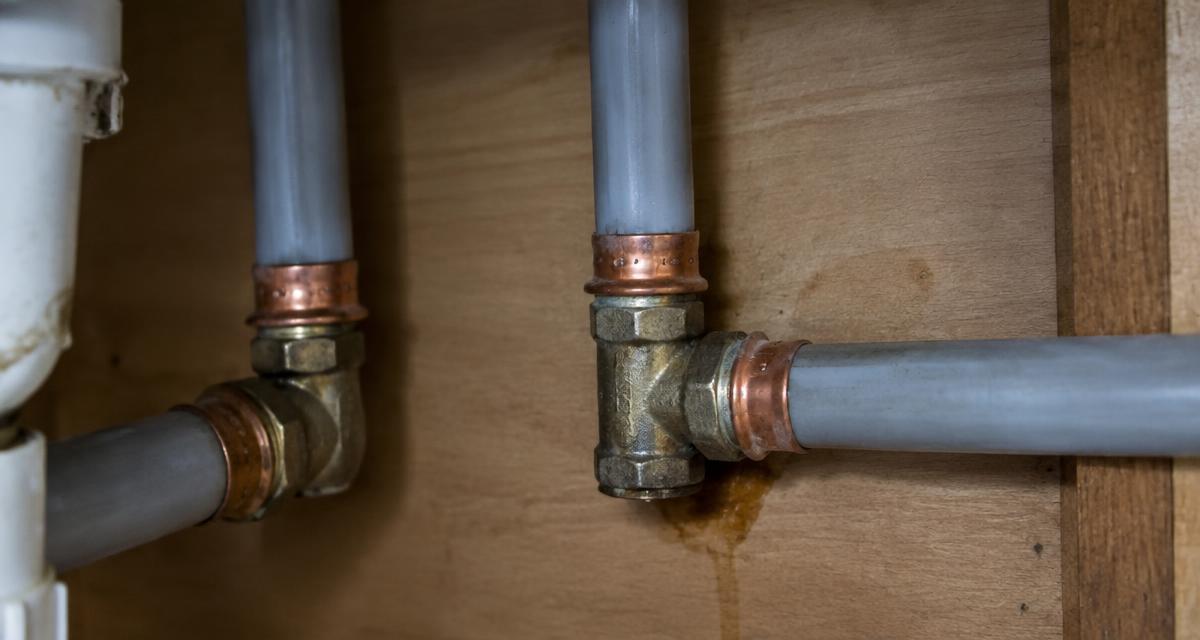
- Color: Usually gray, though blue and black versions exist. It's often stamped "PB2110."
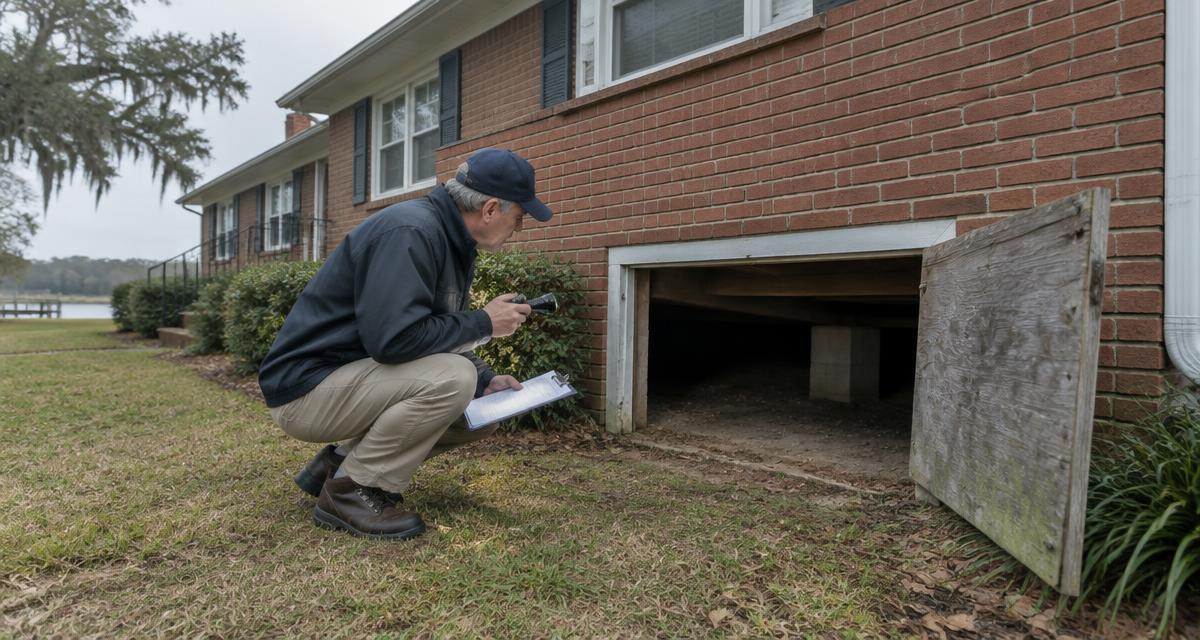
- Where to look: Where the main line enters the house, near the water heater, under sinks, and in the crawlspace or attic.
- Fittings: Plastic or copper/aluminum crimp rings at joints.
- Age of the house: Virginia homes built from about 1978 to 1995 are the most likely candidates, which covers a lot of Virginia Beach, Chesapeake and Newport News subdivisions.
Don't confuse it with PEX, a modern plastic pipe that's often white, red or blue and is considered reliable. A plumber or inspector can tell the difference quickly.
How Polybutylene Affects a Home Sale
Inspection
Most Virginia home inspectors will call out polybutylene and recommend evaluation or replacement by a licensed plumber, even if nothing is leaking today. Once it's in the report, it becomes part of the negotiation.
Insurance
This is often the biggest obstacle. Many insurers ask about plumbing type on the application. Some decline homes with polybutylene, some add a surcharge or exclusion, and some only write a policy after the pipe has been replaced. Because a buyer needs insurance to close on a mortgage, this can stop a sale even when the buyer is willing to live with the pipe.
Appraisal and Financing
Polybutylene isn't automatically disqualifying for most loans. But if it's leaking or has caused water damage, an appraiser may note it as a condition that needs attention, and a lender may require repairs before closing.
Buyer Perception
Even buyers who can get insurance often ask for a credit equal to a repipe estimate. Since those estimates are usually obtained under deadline pressure, they tend to come in high.
Ready to Sell Your Hampton Roads Home Fast?
Virginia Cash Real Estate buys houses across Hampton Roads for cash — no repairs, no fees, no commissions. Get a fair cash offer within 24 hours.
What Fixing It Involves
The standard fix is a whole-house repipe: replacing all the polybutylene supply lines with PEX or copper. A repipe usually involves:
- Opening walls and ceilings in spots to run new lines
- Replacing the main service line if it's also polybutylene
- Patching and painting drywall afterward
- Permits and inspection through your city or county
Cost depends on the size of the house, how many bathrooms it has, how accessible the pipes are (crawlspace homes are generally easier than slab homes), and whether the main line from the street also needs replacing. We won't quote a number here because it varies so much. Get at least two written quotes from licensed plumbers before you decide.
Spot repairs (fixing one leak at a time) are possible, but they don't solve the insurance problem and don't reassure buyers.
Should You Repipe or Sell As-Is?
Repiping first usually makes sense if:
- The rest of the house is in good shape and would sell well with modern plumbing.
- You can pay for the work and live with a few days of disruption.
- Your target buyers are using FHA, VA or conventional loans and need insurance in place.
In that situation, a completed repipe with a permit and receipts is a selling point, and you'll likely get more for the house than if you leave it.
Selling as-is makes more sense if:
- The pipe has already leaked and there's water damage, staining or mold to deal with as well.
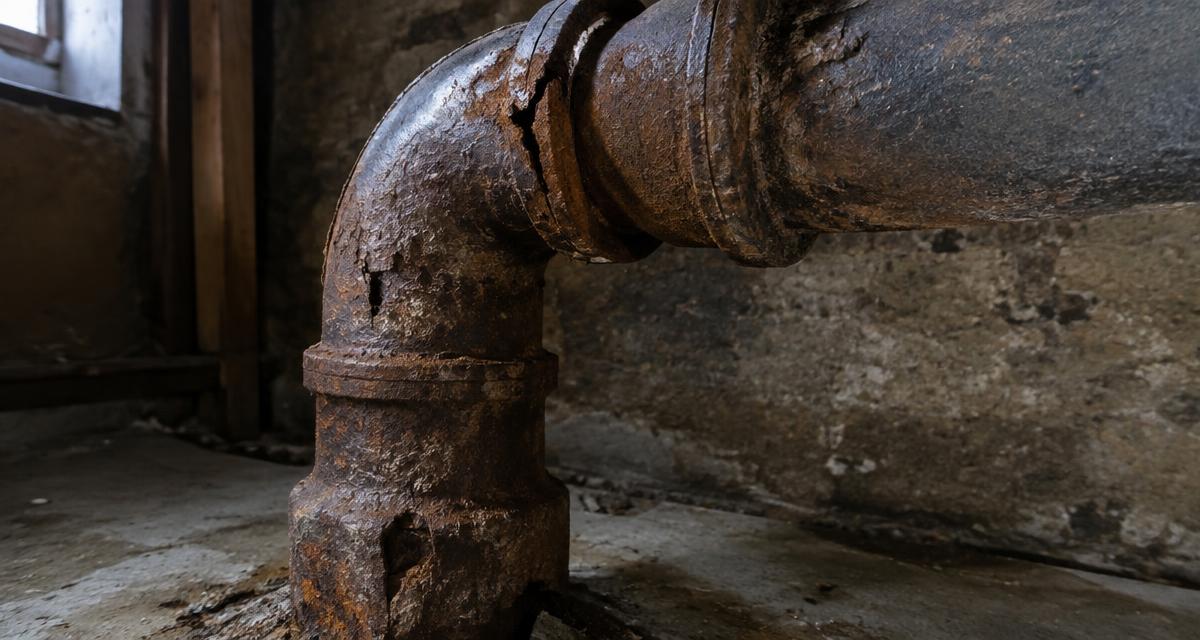
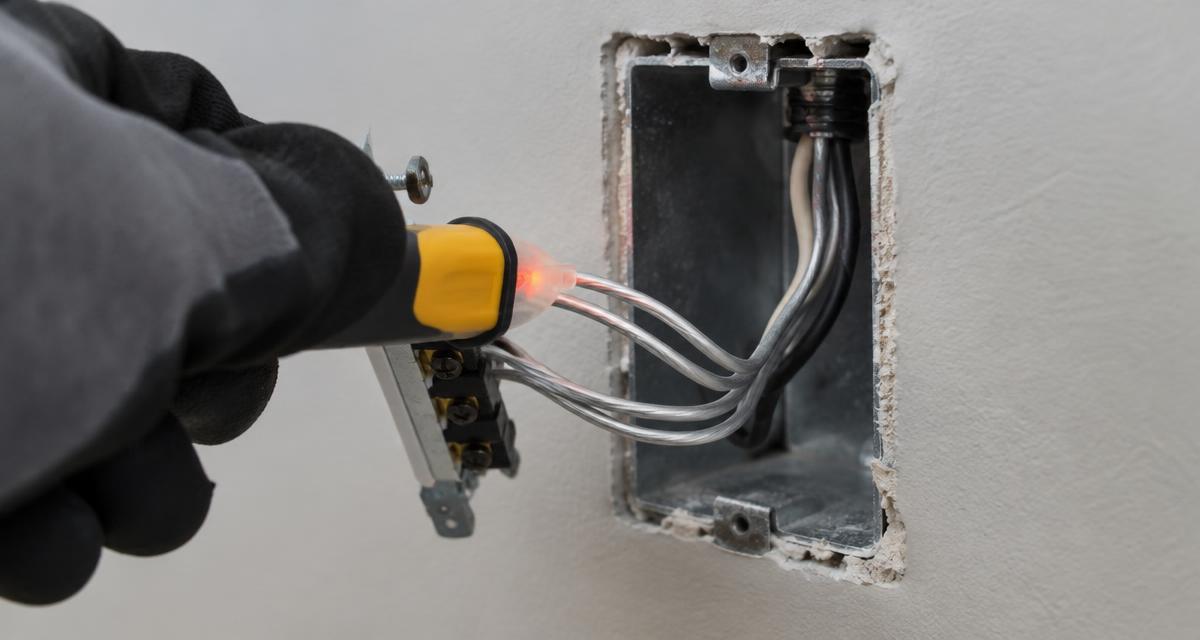
- The house has other big issues too, like aluminum wiring or an older cast iron sewer line.
- You don't have the cash up front, or you need to sell on a deadline.
- A buyer has already walked away after the inspection.
If you're leaning that way, our major repairs page explains how we buy Hampton Roads houses that need serious work. We factor the repipe into our offer so you don't have to manage plumbers, permits, or drywall patching.
Selling a Polybutylene House in Hampton Roads
We buy houses with polybutylene plumbing as-is for cash across Hampton Roads, and see it most often in 1980s and early-1990s neighborhoods in Virginia Beach, Chesapeake and Newport News. We'll look at the house as it is, tell you honestly whether we think a repipe-and-list approach would net you more, and make a cash offer if selling as-is is the better fit.