Selling a House With Chinese Drywall in Virginia
By Virginia Cash Real Estate ·
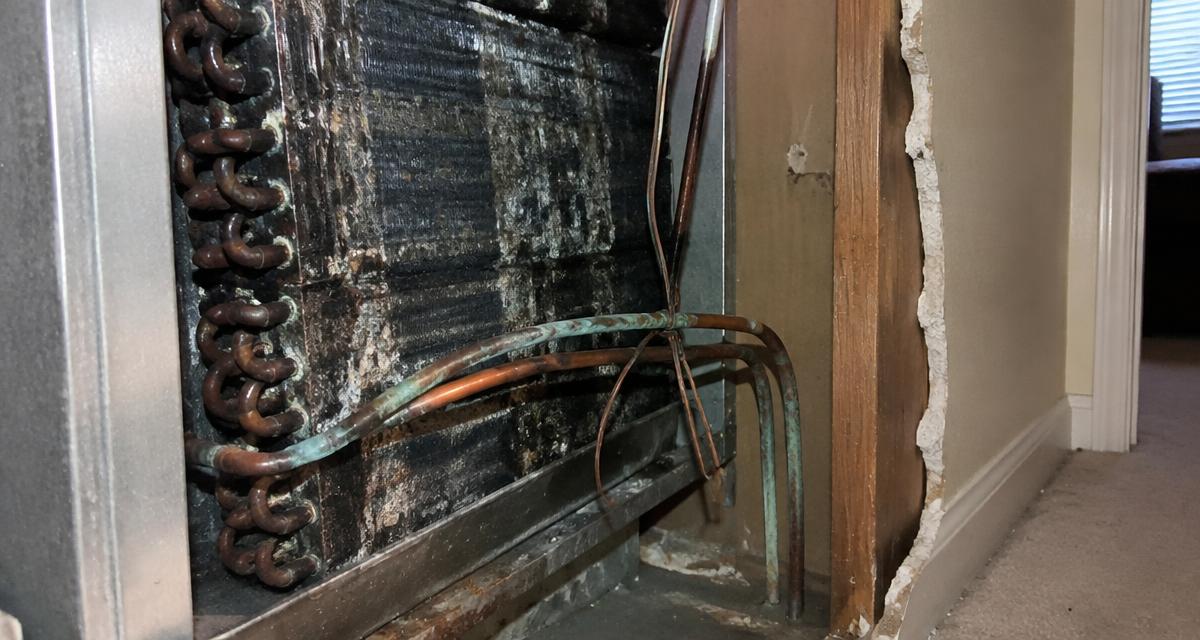
Chinese drywall is a problem that hits Virginia harder than most states, and Hampton Roads harder than most of Virginia. If your house was built or renovated in the early-to-mid 2000s and you've had repeated AC coil failures, a lingering sulfur smell, or blackened copper wiring, it's worth taking seriously.
Unlike many defects, this one usually can't be patched. The accepted fix is a substantial remediation. This guide explains the warning signs, how the problem affects a sale, what Virginia expects from sellers, and how to decide between remediating and selling as-is. It's part of our guide to selling a house with major defects in Virginia.
What Is "Chinese Drywall"?
"Chinese drywall" is the common name for defective drywall imported into the U.S. roughly between 2001 and 2009, when domestic supply was tight, especially after the 2004 and 2005 hurricane seasons. Some of this drywall emits sulfur compounds that corrode copper and other metals in the home. Not every imported board was defective, and some problem drywall wasn't made in China, which is why you'll also see the term "defective drywall."
Florida and Louisiana had the most reported cases, but Virginia was also among the most affected states, with many reports in southeastern Virginia. Federal agencies, including the Consumer Product Safety Commission and HUD, investigated and issued identification and remediation guidance.
Warning Signs
- A rotten-egg or sulfur smell, especially in humid weather or when the house is closed up
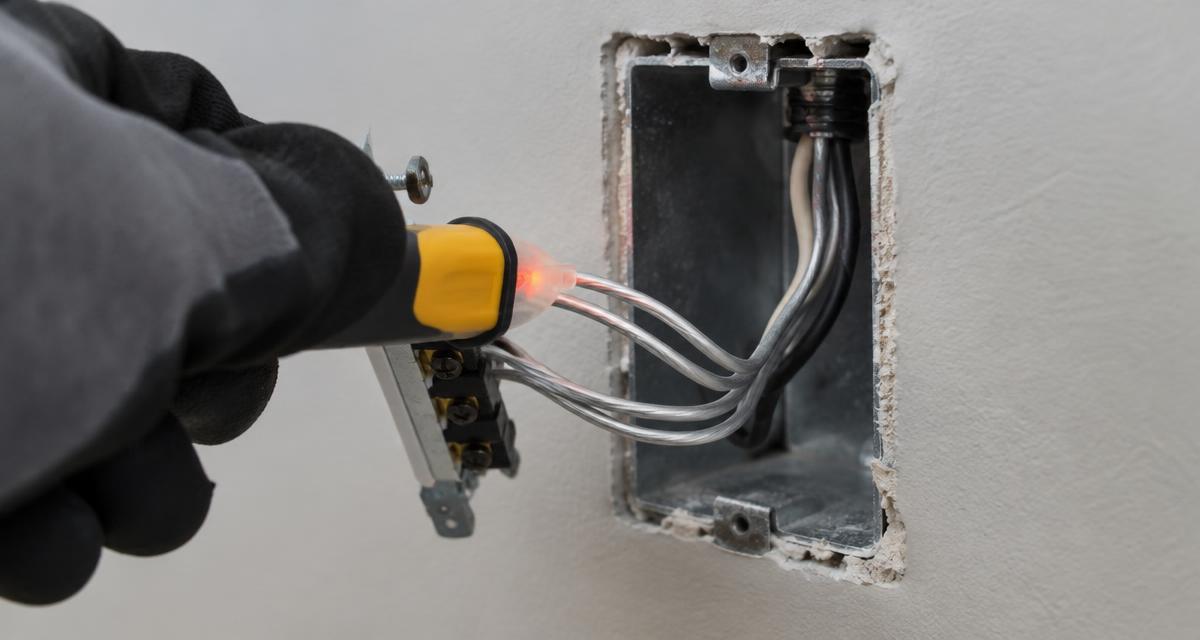
- Blackened or corroded copper on exposed electrical wires, ground wires and AC evaporator coils
- Repeated AC coil failures within a few years
- Failing appliances, electronics or smoke alarms
- A build or major renovation date in roughly the 2001–2009 window
Markings on the back of the drywall, visible from the attic or behind an outlet cover, can sometimes help with identification. A qualified inspector familiar with CPSC/HUD guidance can confirm it.
How Chinese Drywall Affects a Sale
Disclosure in Virginia
Virginia is generally a "buyer beware" state, but defective drywall is an exception that gets specific attention. Virginia law requires sellers to disclose if they have actual knowledge of defective drywall in the home. If you know or have been told your house has it, plan on disclosing it. A real estate attorney can confirm exactly what's required for your situation.
Inspection
Many general home inspectors aren't specialists in defective drywall, but corroded copper, a sulfur smell, or multiple coil replacements will often prompt them to recommend a specialized evaluation.
Financing and Appraisal
Once defective drywall is identified, many lenders and appraisers treat it as a significant condition issue. It can be very difficult for a buyer to get a typical mortgage on a home with unremediated defective drywall.
Insurance
Homeowners policies generally don't cover remediating defective drywall, and some insurers may hesitate to write a new policy on an affected, unremediated home.
Buyer Perception
Of all the defects in this series, this is one of the hardest to negotiate around on the open market. Most retail buyers won't take it on.
Ready to Sell Your Hampton Roads Home Fast?
Virginia Cash Real Estate buys houses across Hampton Roads for cash — no repairs, no fees, no commissions. Get a fair cash offer within 24 hours.
What Remediation Involves
Federal guidance from CPSC and HUD generally calls for a thorough remediation rather than spot fixes. That typically means:
- Removing all problem drywall
- Replacing electrical wiring and components affected by corrosion
- Replacing gas service piping and fire safety alarms
- Replacing affected HVAC components, often including coils
- Rebuilding walls and ceilings, then repainting and refinishing
In practice, that means moving out for a period of time while the house is taken down to the studs in affected areas. Cost depends on the size of the house, how much drywall is affected, and how many systems need replacement. It's one of the most expensive defects on this list, but we won't put a number on it. Get a written scope from a contractor experienced in defective-drywall remediation and ask for documentation you can give future buyers.
Should You Remediate or Sell As-Is?
Remediating can make sense if:
- You plan to stay in the house for several more years.
- You have the funds, or some form of recovery from a builder, manufacturer, or settlement.
- You can live elsewhere during the work.
A properly documented remediation, with a clearance report, can make the house sellable on the open market again.
Selling as-is often makes more sense if:
- You need or want to move and can't fund a large remediation up front.
- The house has secondary problems from the corrosion, like failed HVAC equipment, or other issues like aluminum wiring or mold from humidity.
- Previous buyers have walked away once the drywall was identified.
This is a case where a cash sale really does fit many homeowners. Our major repairs page explains how we buy houses that need large-scale work. We price the remediation into our offer, so you don't need to move out, hire a specialized contractor, or carry the house through the project.
Selling a House With Chinese Drywall in Hampton Roads
We buy houses with known or suspected defective drywall as-is for cash throughout Hampton Roads, including early-2000s neighborhoods in Virginia Beach, Chesapeake, Suffolk and Newport News. We'll go over your options honestly, including whether remediation and a traditional sale might put more money in your pocket.