
Weighing the Pros and Cons of a Pre-Inspection as a Home Seller
By Virginia Cash Real Estate ·
A pre-listing inspection can be worthwhile if its findings will help you price the house, choose repairs, or prepare for buyer negotiations. It is less useful when you already know the property needs extensive work and plan to sell to a buyer who will evaluate it independently.
It is not a guarantee of a faster sale, a higher price, or a clean buyer inspection. For Hampton Roads sellers, the best question is practical: will the information change what you do next enough to justify the expense and follow-up work?
What a pre-listing inspection does—and does not—cover
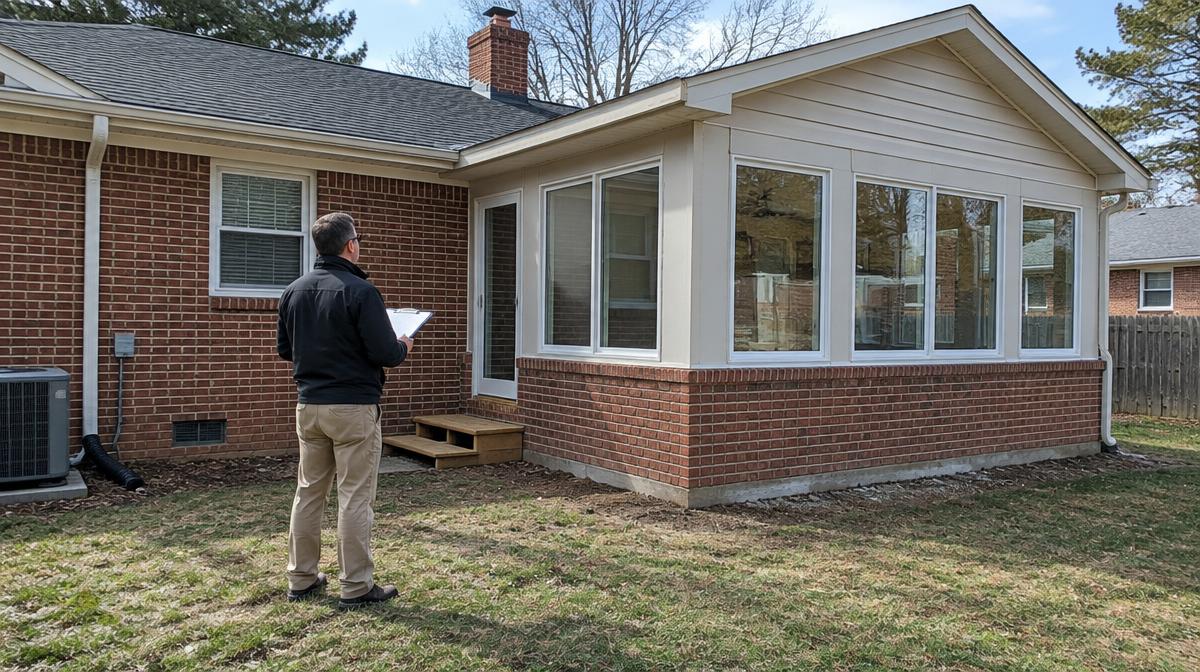
A pre-listing inspection is a home inspection you arrange before marketing the property. The inspector evaluates accessible systems and components within the agreed scope and produces a report describing observations and limitations.
A general inspection may identify concerns with roofing, plumbing, electrical systems, heating and cooling, structure, or moisture. It is not an appraisal, a warranty, or a promise that every hidden problem has been found. Inaccessible areas and concealed conditions limit what an inspector can assess.
Specialized evaluations may be separate. Suspected asbestos, significant foundation movement, pest activity, or a particular moisture concern may call for a qualified specialist. Ask what is included before booking and avoid assuming that one inspection answers every condition question.
Advantage: you can make repair decisions before negotiating
Finding an issue before listing gives you time to obtain appropriate advice and quotes. You can distinguish a manageable repair from a larger project rather than responding to a buyer's demand under a short deadline.
For example, a report noting evidence of moisture is a starting point for investigation—not a complete diagnosis or a renovation budget. A qualified professional may need to identify the source and scope. That additional information can help you decide whether to repair, price accordingly, or change your selling route.
A pre-inspection does not mean you should fix everything in the report. Prioritize safety, active damage, and problems likely to affect marketability. Avoid spending heavily on cosmetic work while ignoring a significant unresolved issue.
Advantage: pricing and negotiations can be more informed
An inspection can help you and your agent set expectations for the home's current condition. Written repair estimates may also provide a better basis for evaluating a requested concession than an unsupported guess.
If you complete work, keep invoices, permits where relevant, warranties, and any follow-up documentation. Buyers may appreciate a clear explanation of what was found and what was done. That transparency can reduce uncertainty, though it cannot force a buyer to accept your price or repair choices.
If you choose not to repair, a realistic as-is price may attract buyers prepared for the work. Our guide to selling a home with major defects explains why the nature of the problem matters as much as the inspection label.
Disadvantage: the inspection may lead to more spending
The initial inspection fee may be only part of the expense. Follow-up specialist visits, estimates, and repairs can cost more, and contractors may not be available on your preferred schedule.
Ask whether you have the budget and time to act on the results. If you must move soon, starting a large repair project could create more disruption than a candid sale in current condition. Not every repair produces an equal increase in the selling price.
Get a written scope and fee from the inspector. For a known, specific concern, consider whether a targeted specialist evaluation would be more useful than a broad inspection. Neither choice is automatically the most economical; it depends on the decision you need to make.
Ready to Sell Your Hampton Roads Home Fast?
Virginia Cash Real Estate buys houses across Hampton Roads for cash — no repairs, no fees, no commissions. Get a fair cash offer within 24 hours.
Disadvantage: the buyer may still inspect and renegotiate
Your report belongs to a particular inspection, on a particular date, with defined limitations. Buyers may want their own inspector, and their findings or priorities may differ. Conditions may also change between your inspection and theirs.
Do not assume providing a report removes a buyer's inspection rights. Those rights depend on the purchase agreement. A buyer may request repairs or credits, or may have a right to terminate under the contract even after you have completed work.
An inspection can reduce surprises, but marketing it as proof that a house has “no problems” creates unrealistic expectations. Describe its scope and findings accurately.
Knowing about defects changes the conversation in Virginia
Virginia residential sellers generally provide the applicable disclaimer/disclosure statement. The state's approach should not be confused with a blanket requirement to complete an exhaustive defect checklist, nor with permission to hide problems.
Selling as-is does not excuse fraud or concealment of known latent defects. Once you receive a report, do not misrepresent its findings, conceal damage, or claim ignorance of an issue you know about. Federal lead-based-paint disclosure applies to pre-1978 homes separately from an ordinary home inspection.
If a report identifies a serious issue, ask a Virginia real-estate attorney how to handle the information and your transaction's disclosure obligations. Discuss whether and how to share reports rather than selecting only favorable pages. Legal advice is especially important if there is uncertainty about a hidden defect or prior repair.
Skipping an inspection is not a strategy for avoiding responsibility for conditions you already know about. It is a budgeting and selling-plan decision, not a license to mislead.
When a pre-inspection is more likely to be useful
Consider one when you intend to list publicly, can afford reasonable follow-up, and want to resolve uncertainty before setting a price. It may also help if you have owned the home for many years and have limited information about aging systems.
Before booking, decide what you will do with possible findings. Will you repair, seek specialist opinions, adjust the price, or compare an as-is offer? An inspection is most valuable when it supports an actual decision.
When skipping it may make sense
You may decide against a seller-paid general inspection when the house clearly needs substantial renovation, you do not intend to make repairs, or an experienced cash buyer will conduct its own assessment. A targeted evaluation may still be worthwhile if it addresses a safety issue or a major uncertainty.
A direct as-is sale can reduce preparation and repeated showings, often at a lower price than a successful retail listing. Compare that tradeoff with listing as-is through an agent, making selected repairs, or keeping the home. These resources on major-repair properties and Hampton Roads as-is sales can help you weigh the options.
If you want to compare selling without arranging a pre-listing inspection, request a no-obligation cash offer from Virginia Cash Real Estate. Our family-owned Hampton Roads company buys houses as-is, so you can evaluate that option alongside inspecting, repairing, and listing.