Selling Your Termite-Damaged House to Cash Home Buyers
By Virginia Cash Real Estate ·
You can sell a termite-damaged house to a cash buyer willing to accept its condition. You do not necessarily have to complete treatment and structural repairs first, but the buyer will generally account for those costs—and uncertainty about hidden damage—in the offer.
Before deciding, separate three questions: Are termites currently active? What damage already exists? What work would make the building safe and prevent further problems? A treatment receipt alone does not answer all three.
Why a professional inspection matters in Hampton Roads
Hampton Roads’ warm, humid conditions make termite concerns familiar to local homeowners. Damp crawlspaces, leaks, and wood near soil deserve attention, but climate or a single visible mark cannot establish the extent of an infestation.
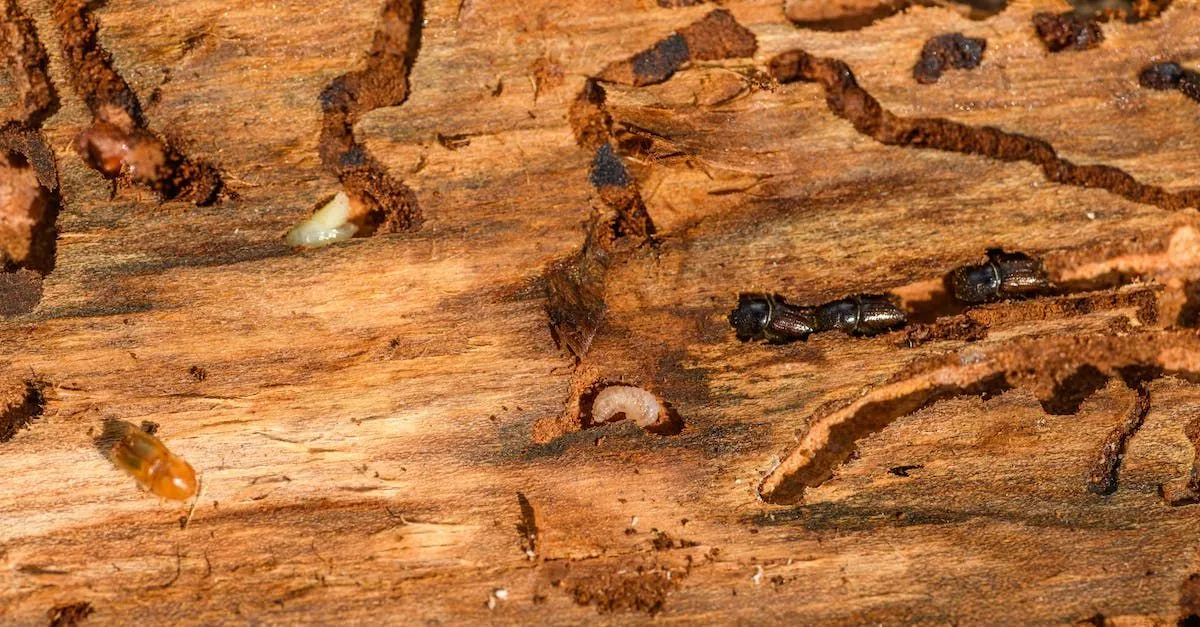
Mud tubes, discarded wings, blistered wood, and hollow-sounding areas can justify an inspection. They are not a substitute for identifying the pest and checking accessible parts of the house. Other insects or moisture damage may produce confusing signs.
Ask a qualified pest professional for a written report identifying observed activity, damaged areas, inaccessible spaces, and recommended treatment or follow-up. If previous treatment occurred, gather those records too. A report that identifies inspection limits is more useful than an unsupported assurance that the entire house is clear.
Avoid entering an unsafe crawlspace or opening damaged structural areas yourself. If floors sag or supports appear compromised, restrict access and seek qualified advice promptly rather than waiting for a buyer’s visit.
The location of the damage changes the repair question
The original appearance of damage can be misleading. Damaged trim may be relatively limited, while wood hidden behind an apparently intact surface may need further evaluation.
Areas to consider include:
- Floor framing and supports: Joists, beams, sill plates, and other load-bearing wood can require structural assessment and carefully planned repairs.
- Walls and roof framing: Damage is not limited to the crawlspace. Ask professionals to evaluate affected framing wherever evidence points.
- Cabinets, trim, and finishes: These may be less consequential individually, but replacement and access work can add up.
- Decks and other exterior wood: Deteriorated steps or railings can present safety concerns even when the main house is unaffected.
Termites consume wood, not concrete. What owners describe as “foundation damage” may involve wood supports or framing near the foundation, or a separate issue that needs its own diagnosis.
A pest inspector evaluates pest evidence; a qualified contractor or structural engineer may be needed to assess damaged load-bearing components. For broader condition concerns, see our guidance on selling a house with major defects.
Treatment and repair solve different problems
Treatment addresses the infestation. It does not restore the strength of wood already damaged. Structural repair addresses damaged components, but without effective pest control and attention to contributing conditions, the underlying problem may continue.
Ask for separate written scopes for pest treatment, moisture-related work, and building repairs. In older homes, planned repairs may also require precautions discussed in our guide to selling a home with asbestos. Useful questions include:
- What evidence supports the proposed treatment?
- Are follow-up inspections included?
- What does any warranty cover, exclude, or require?
- Can a warranty transfer to a buyer, and is there a fee?
- Does the repair estimate include access, debris removal, and restoration of finishes?
Do not describe a treatment warranty as a guarantee that the home is structurally sound or will never have termites again. Share the actual documents so buyers can review their terms.
Ready to Sell Your Hampton Roads Home Fast?
Virginia Cash Real Estate buys houses across Hampton Roads for cash — no repairs, no fees, no commissions. Get a fair cash offer within 24 hours.
Compare repairing first with selling as-is
Treating and repairing before listing may broaden the pool of interested buyers. Our pest-infested property selling guide offers a broader comparison of selling options. Clear documentation can help buyers understand what happened and what was corrected. If the damage is limited and you have time and funds, that route may improve your net result.
It also requires upfront spending, contractor coordination, and the possibility of discovering more damage after work begins. Ask a local agent how completed repairs are likely to affect marketability before assuming every dollar spent will return at closing.
An as-is sale transfers agreed repair responsibilities to the buyer instead. Our Hampton Roads as-is selling guide explains how that option differs from promising a repaired property.
An investor’s offer normally leaves room for treatment, repairs, holding and resale expenses, risk, and profit. Compare it with realistic listing proceeds after repair costs and the expense of keeping the house during the work. An as-is listing on the open market is also possible; you do not have to choose only between renovation and a direct sale.
What cash buyers may accept
Some cash buyers consider homes with active infestations, prior treatment, cosmetic damage, or substantial structural repair needs. Acceptance depends on the specific buyer, access to evaluate the property, and the scope of the work. There is no universal rule that termite damage makes a house unsellable—or that every cash buyer accepts every condition.
Virginia Cash Real Estate buys houses as-is for cash. Explain known issues before requesting an offer and ask whether the proposed purchase requires any seller-funded treatment or repairs. Read inspection and cancellation provisions rather than assuming “cash” means unconditional.
Handle Virginia disclosures without overstating what you know
Virginia residential sellers generally provide a disclaimer/disclosure statement. Selling as-is does not excuse fraud or concealment of known latent defects. Federal lead-based-paint disclosure also applies to pre-1978 homes.
Provide accurate answers and do not cover damaged wood to disguise a known problem. A practical approach is to share existing inspection reports, treatment invoices, repair records, warranty terms, and any unresolved concerns in writing. Distinguish professional findings from your own suspicions, and do not claim that all damage has been repaired without support.
Ask a Virginia real-estate attorney about disclosure obligations when serious hidden damage, conflicting reports, or contract language creates uncertainty. Good documentation supports an informed transaction; it is not a substitute for legal advice.
If you would like to compare selling as-is with treating and repairing first, request a no-obligation cash offer from Virginia Cash Real Estate. You can review the proposed price and condition terms before choosing your next step.