
Preparing for an As-Is Home Sale in Virginia: A Seller Checklist
By Virginia Cash Real Estate ·
An as-is sale can reduce the work you agree to do before closing, but it still takes preparation. Buyers need enough information to evaluate the property, the settlement professional needs clear ownership and payoff records, and you need to understand what the contract actually requires.
This is a working checklist for Hampton Roads homeowners who are getting ready to show the house or review offers—not another overview of every as-is selling route. For the broader repair-versus-sale decision and marketing options, start with the complete guide to selling a house as-is in Hampton Roads.
1. Define what you mean by “as-is”
In practical terms, an as-is offer tells buyers you intend to sell in the property's current condition rather than complete a renovation or repair program. It does not automatically mean no inspections, no showings, no financing or no further negotiation. The signed contract controls repair obligations, inspection rights and termination options.
Before discussing price, decide what you can and cannot take on. Are you unwilling to make repairs at all, or would you consider a limited credit? Can you remove belongings? Is the property safe to enter? Do you need to remain after closing? Put these boundaries on paper so they can be reflected in the agreement rather than left as assumptions.
A house can be listed as-is or sold directly. A financed buyer may face lender condition requirements; a cash buyer may still have inspection and cancellation rights. Neither label substitutes for reading the terms.
2. Assemble a simple property-condition file
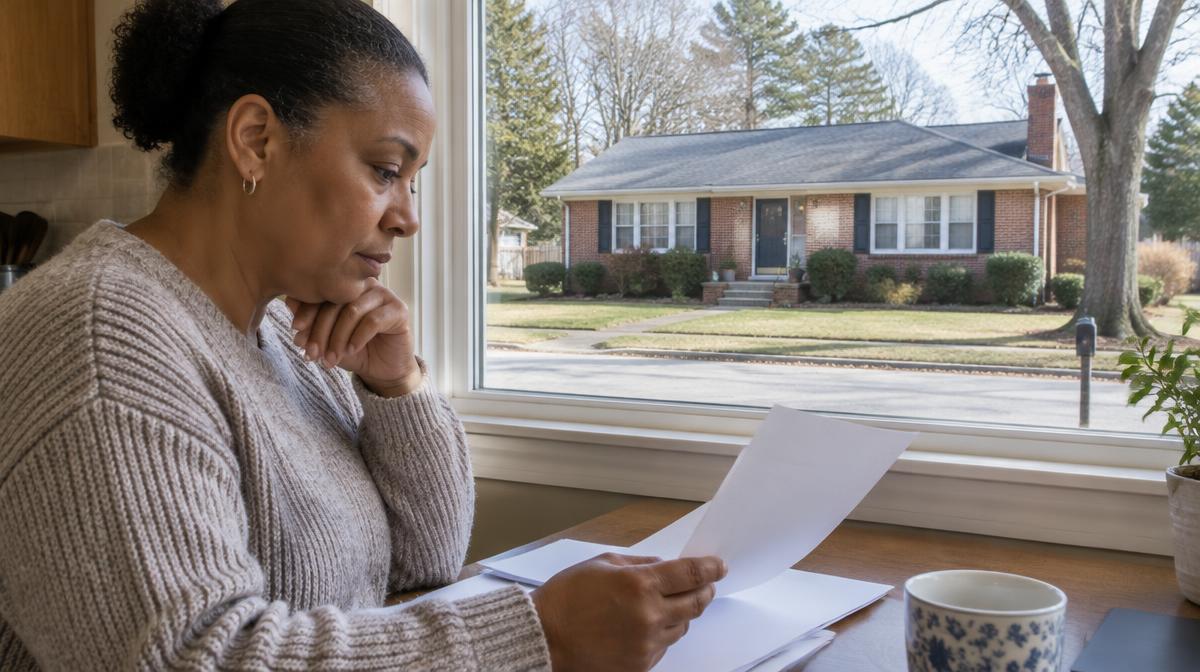
You do not need a polished renovation proposal. Gather information you already have and identify what remains unknown. Useful records include repair invoices, warranties, contractor estimates, insurance-claim paperwork, permits and city notices.
Organize your notes by system:
- Roof and exterior: known leaks, patching, storm damage and any available age records.
- Heating and cooling: operating condition, service records and known failures.
- Plumbing and electrical: recurring problems, prior repairs and inspection findings.
- Structure and moisture: water intrusion, settlement concerns and professional reports.
- Occupancy and access: tenants, belongings, locked areas and any unsafe spaces.
Be precise. “Roof age unknown” is more useful than a guess. A dated invoice is better evidence than a remembered estimate. Do not diagnose structural or environmental problems yourself; share the reports you have and let qualified professionals assess them.
For a fire-damaged property, organize the incident, insurance and repair records together. The existing fire-damaged house resource addresses that particular situation. If major work is the central obstacle, VCRE's major-repairs service page explains its buying service without requiring you to plan a renovation first.
3. Check Virginia disclosure requirements before marketing
Virginia's residential disclosure framework generally relies on a statutory statement directing buyers to conduct their own due diligence, rather than a universal seller condition questionnaire. That does not eliminate every affirmative disclosure duty. Property-specific requirements and exemptions can apply, and an as-is clause does not authorize false statements, fraud or concealment of known latent defects.
Ask your Virginia real estate attorney or licensed agent which current forms and notices apply to your sale and when they must be delivered. Provide accurate answers to questions; do not describe a problem as repaired unless you have a sound basis for saying so. Keep copies of documents and written communications supplied to buyers.
For most pre-1978 housing, federal lead-based-paint requirements apply, subject to exemptions. These can involve required notices, available records and an inspection opportunity—not merely a sentence in an as-is contract. Confirm the applicable process before signing.
Tenanted homes, estate ownership, city violations and prior damage can create additional questions. Get property-specific advice instead of assuming that “buyer beware” or “cash sale” resolves them.
Ready to Sell Your Hampton Roads Home Fast?
Virginia Cash Real Estate buys houses across Hampton Roads for cash — no repairs, no fees, no commissions. Get a fair cash offer within 24 hours.
4. Prepare access without committing to renovations
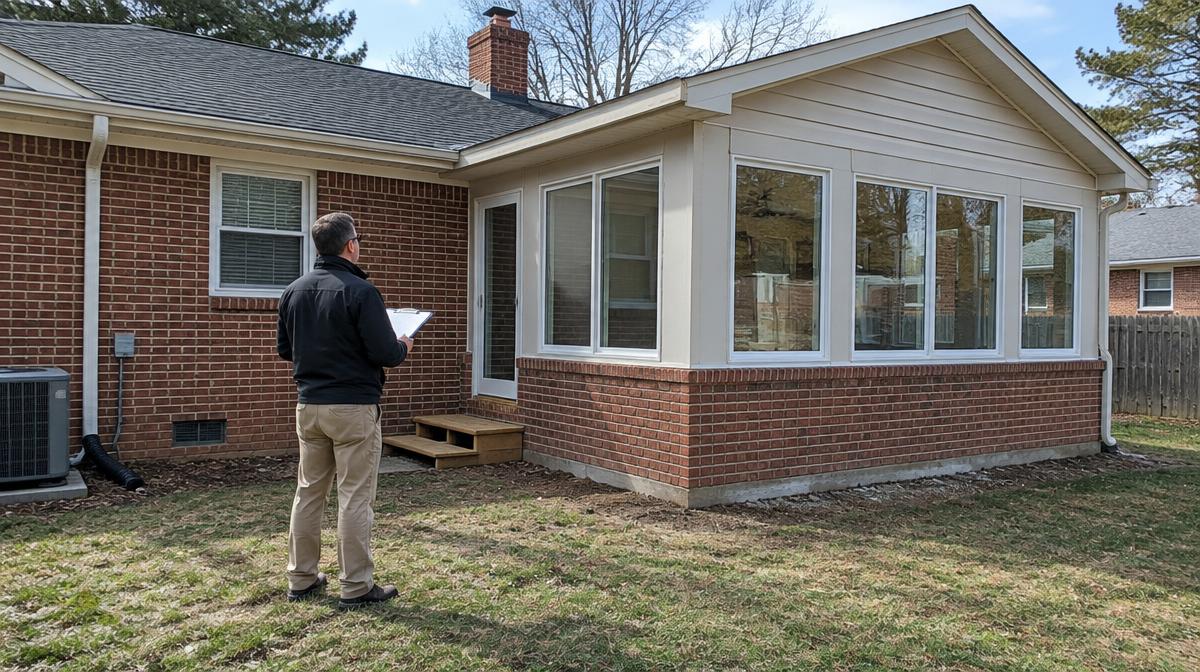
Buyers generally need to understand the repair scope, even when they accept that you will not fix it. Plan access to the rooms and systems they need to see. Identify whether utilities are on and whether any areas are unsafe. Do not enter or invite others into a dangerous area simply to support a sale.
Low-cost preparation can be practical: gather keys, clear a safe path and collect manuals or service records. Extensive cosmetic work is a separate decision. Before paying for improvements, ask whether they are likely to change the buyer pool or net proceeds enough to justify the expense.
If tenants occupy the house, arrange access in accordance with the lease and Virginia law. If you inherited the home, confirm that you have authority to sell before promising a closing date. Unresolved probate, ownership or lien questions can matter more to timing than the condition of the kitchen.
5. Decide what stays and what leaves
“As-is” does not automatically mean the buyer will remove everything you leave behind. Make a short list of belongings you will take, appliances or fixtures included in the sale, and contents you want the buyer to accept.
Remove personal documents, medications, valuables and irreplaceable items before possession changes. Do not dispose of tenant belongings or estate property without proper authority. Tell the buyer about materials that may require special handling rather than treating them as ordinary household clutter.
VCRE can include cleanout in an as-is purchase, with the agreed contents and disposal responsibilities reflected in the terms. Other buyers may require an empty house. A written agreement is safer than a verbal “leave anything” assurance.
6. Give every buyer the same information
A consistent condition summary makes offers easier to compare. Share the same known issues, occupancy details, included contents and preferred timing with each serious buyer. Keep a copy of what you provided.
Buyers may price repairs differently. A direct investor generally considers expected resale value, repair and holding costs, risk and margin. A retail buyer may value the house differently but need financing approval. There is no universal discount that tells you whether an offer is reasonable.
Ask a local agent for an as-is market estimate if you need a benchmark. Compare actual net proceeds after preparation, selling costs, carrying expenses and payoffs—not simply the offer against an online value estimate.
7. Review the offer as a set of terms
Before accepting, mark these items in each written proposal:
- Price and costs: Who pays settlement charges, and what credits or adjustments reduce your proceeds?
- Inspection rights: How long can the buyer inspect, and when can it terminate or seek changes?
- Funding: Is there a financing contingency, and what proof of funds supports a cash offer?
- Assignment: Can the buyer transfer the contract, and who is responsible for closing?
- Deposit and default: When is the deposit due, who holds it, and what remedies does the contract provide?
- Possession and contents: When must you leave, and exactly what remains?
- Timing: What title, payoff or ownership issues must be resolved before settlement?
Our cash-buyer vetting guide provides additional questions. Have an attorney review unclear language before you sign. A preferred closing date is not a guarantee, particularly if a foreclosure or tax-sale deadline is involved.
Keep one file ready for settlement
Keep your contract, disclosure documents, condition notes, payoff information and possession plan together. Notify the settlement professional of mortgages, liens, estate issues or pending proceedings early. If debts exceed proceeds, additional funds or creditor approval may be needed; accepting an offer alone does not resolve the shortfall.
Virginia Cash Real Estate is a family-owned buyer with 125+ homes purchased over 11 years. It buys as-is across Hampton Roads, including Virginia Beach, Norfolk, Chesapeake, Portsmouth, Hampton, Newport News and Suffolk. There is no agent commission when selling directly to VCRE; the contract still determines other costs and obligations.
To compare a direct purchase with your other options, request a no-obligation VCRE offer using the condition summary and terms checklist above.