Cost to Repair a Fire-Damaged House vs. Selling for Cash (Hampton Roads)
By Virginia Cash Real Estate ·
What It Actually Costs to Repair Fire Damage in Hampton Roads
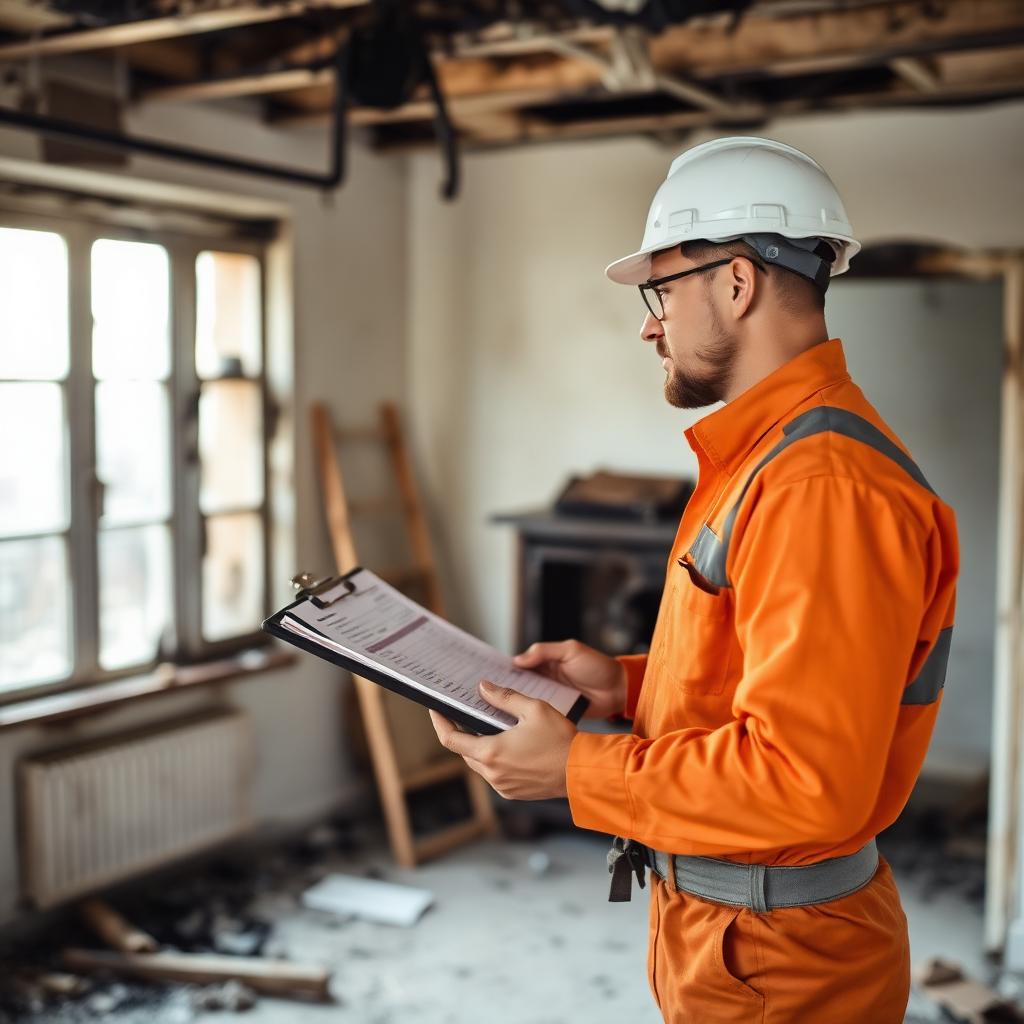
Every fire-damaged homeowner in Hampton Roads eventually asks the same question: "What will it really cost to fix this, and would I be better off just selling?" The answer depends on the scope of damage, your insurance policy, and how much of your own money and time you're willing to sink into the project. Below are honest 2026 line-item cost ranges for the Virginia Beach / Norfolk / Chesapeake / Portsmouth / Hampton market, followed by a straight comparison to a cash sale through our fire-damaged house program.
Phase 1: Emergency Mitigation ($4,000–$15,000)
Within 24–72 hours of the fire, professional mitigation crews board up openings, tarp the roof, extract water from firefighter suppression, and dehumidify to stop secondary mold growth. Most policies cover this at 100%, but you pay the invoice and get reimbursed. Skipping mitigation is the single biggest amateur mistake — mold takes hold in 48–72 hours and turns a fire claim into a fire + water + mold claim.
Phase 2: Demo and Debris Removal ($6,000–$20,000)
Fire debris is heavier and dirtier than construction demo. Contents haul-off, drywall and insulation removal, damaged framing cut-back, and appliance disposal all add up. Fire-damaged materials are often subject to higher landfill fees.
Phase 3: Structural Repairs ($15,000–$120,000+)
This is where estimates diverge most dramatically. A minor fire needs framing sistering and some sheathing. A moderate fire needs new trusses, headers, and subfloor. A severe fire needs full section reframing, new roof structure, and potentially new masonry.
- Framing repairs (minor): $8,000–$20,000
- Roof replacement (partial): $9,000–$18,000
- Roof replacement (full): $18,000–$35,000
- Structural reframing (moderate section): $25,000–$60,000
- Foundation/masonry repair (if heat-cracked): $10,000–$40,000
Phase 4: Mechanical, Electrical, Plumbing ($15,000–$45,000)
Fire and firefighter water routinely destroy:
- HVAC: $8,000–$18,000 for full replacement + duct cleaning or replacement
- Electrical: $4,000–$25,000 depending on how much wiring was heat-compromised and whether the panel is a total loss
- Plumbing: $3,000–$12,000 for melted PEX/PVC, damaged water heater, refit
Phase 5: Smoke Remediation and Odor Control ($8,000–$40,000)
Often the largest surprise cost. Includes drywall replacement in unburned rooms, sealer primer (oil-based Kilz), duct cleaning, insulation removal, ozone or hydroxyl treatment, and porous-material replacement. See our smoke vs. fire damage breakdown for why this line item is so consistently underestimated.
Phase 6: Rebuild Finishes ($25,000–$120,000)
Drywall, paint, flooring, cabinets, trim, doors, fixtures, appliances. This is where builder-grade vs. mid-grade vs. custom decisions swing the total by tens of thousands.
Ready to Sell Your Hampton Roads Home Fast?
Virginia Cash Real Estate buys houses across Hampton Roads for cash — no repairs, no fees, no commissions. Get a fair cash offer within 24 hours.
Phase 7: Soft Costs ($5,000–$20,000)
Permits, engineer letters, architectural drawings if reframing, city inspections, financing costs during construction, and utility reconnects.
Realistic Totals
- Minor fire (contained kitchen or garage, smoke throughout): $65,000–$130,000
- Moderate fire (one room fully consumed, structural damage, whole-house smoke): $130,000–$280,000
- Severe fire (multi-room, structural, roof damage): $250,000–$500,000+
- Total loss: rebuild from grade — see total loss fire guide
Timeline for anything moderate or above: 6–14 months, minimum, in the current Hampton Roads contractor market.
The Cash Sale Comparison
For a fire-damaged Hampton Roads home, a legitimate cash buyer typically prices the property as: After-repair value (ARV) minus estimated repair cost, holding cost, resale cost, and a return margin. In practice, cash offers on fire-damaged homes in this market land at roughly 50–70% of ARV, sometimes higher on lightly damaged homes in strong neighborhoods.
Where that math beats repair-and-resale for most homeowners:
- You keep your insurance proceeds. Every dollar of ACV or contents already paid is yours to keep.
- You stop the bleeding. No more mortgage, insurance, taxes, utilities, or ALE burn on a house you can't live in.
- You collapse the timeline. 2–4 weeks to a closing table vs. 6–14 months of construction.
- You transfer the risk. Cost overruns, permit issues, contractor drama, and market timing are no longer your problem.
When Repair Wins
Repair-and-resale (or repair-and-move-back-in) wins when: you have full RCV insurance with ordinance & law, the fire was contained, the rest of the house is updated, you have somewhere to live for the duration, and you have the personal bandwidth to run the project. In those specific cases, you'll usually net more than a cash sale.
For everyone else — especially inherited homes, retirement downsizers, out-of-state owners, and homeowners with older systems — the cash-sale math consistently wins once you're honest about the timeline and the concessions a retail buyer will demand.
Related Reading
- Insurance Claim vs. Cash Sale for a Fire-Damaged House
- Total Loss Fire: What to Do With the House and Lot
- Kitchen Fires: Selling a Home After a Cooking Fire
We also buy houses in Virginia Beach in any condition, including homes that need major work.