Total Loss Fire: What to Do With the House and Lot in Hampton Roads
By Virginia Cash Real Estate ·
When the House Is a Total Loss: Your Real Options in Hampton Roads
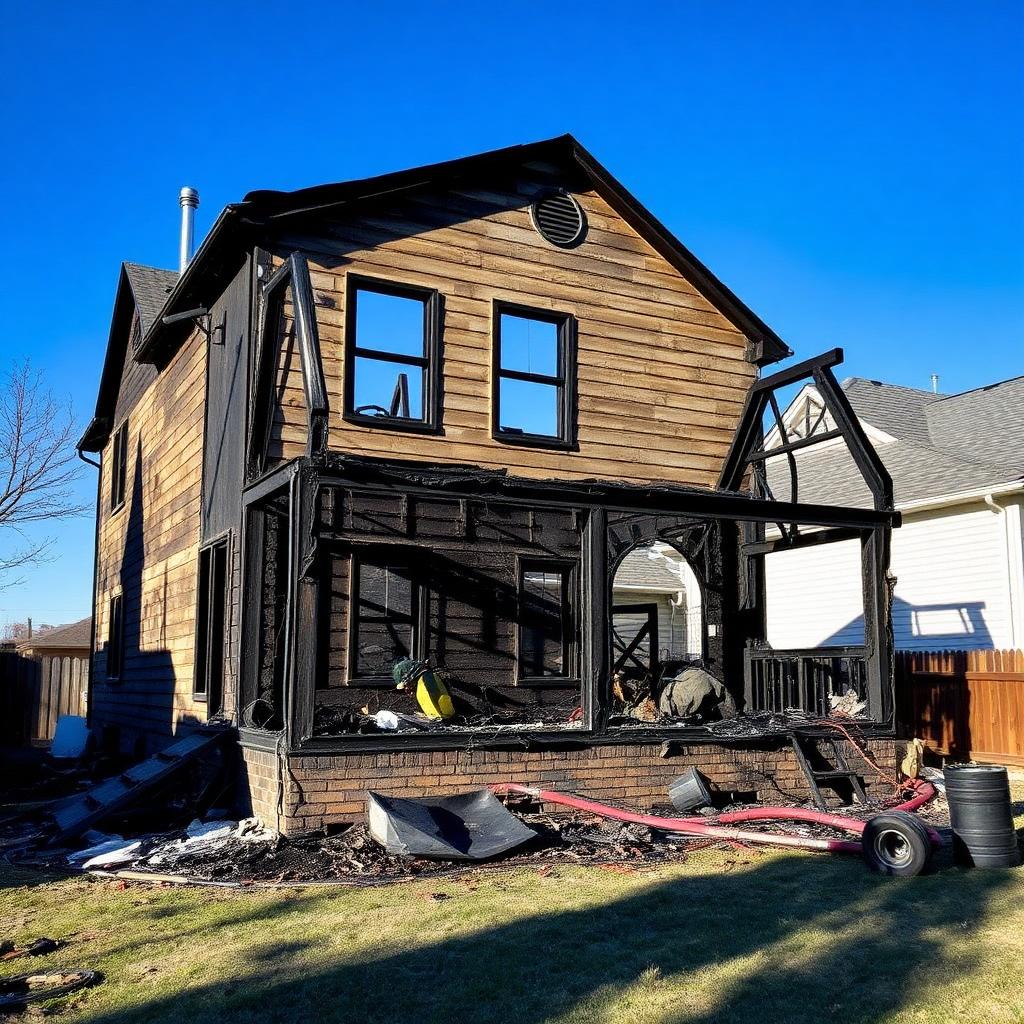
A "total loss" fire doesn't necessarily mean the structure is on the ground. In insurance terms, it means the cost to repair exceeds the policy's dwelling limit (or, in some cases, exceeds the ACV of the pre-fire structure). Practically, once you're at a total loss, you're no longer selling a house — you're selling a lot with a distressed structure sitting on it. That completely changes how it should be priced, marketed, and negotiated. If you want to skip that whole conversation, our fire-damaged house program buys these properties directly.
Lot Value Is the Anchor
For a total-loss fire in Hampton Roads, the price floor is the lot value minus demolition and haul-off. That's it. Everything else — salvage value of the foundation, remaining materials, insurance proceeds — is layered on top. In most of Virginia Beach, Norfolk, and Chesapeake, buildable single-family lots trade in a wide range depending on:
- School zone and neighborhood
- Lot size and setbacks
- Utility availability (city water/sewer already stubbed vs. septic)
- Flood zone (AE, VE, or X — flood zone alone can move lot value 20–40%)
- Whether a demo is required or the existing foundation is usable
Demolition Costs in Hampton Roads
Full teardown of a single-family home in Hampton Roads generally runs:
- $12,000–$22,000 for a typical 1,200–1,800 sq ft ranch on a slab
- $18,000–$35,000 for a two-story with a basement or crawl
- Add $3,000–$8,000 for asbestos abatement on homes built before 1980 if testing is positive
- Add $2,000–$5,000 for oil tank removal on older homes
Permitting, utility disconnects, and haul-off tipping fees are all included in that range. Add fire debris and it climbs — fire-damaged material is classified differently at some landfills.
The Insurance Payout on a Total Loss
If your policy carries RCV, most Virginia carriers pay the dwelling limit at total loss (subject to depreciation holdback until you rebuild). If your policy is ACV, expect a payout well below dwelling limit — sometimes 50–70% of it on older homes. Contents (Coverage C) is separate and paid on its own schedule. Loss of use (Coverage D) pays your temporary housing up to a cap.
A key nuance: many total-loss claims include an ordinance and law endorsement that pays extra for bringing a rebuild up to current code. If you have it, know your limit — it can be the difference between a viable rebuild and one that's underwater from day one.
Ready to Sell Your Hampton Roads Home Fast?
Virginia Cash Real Estate buys houses across Hampton Roads for cash — no repairs, no fees, no commissions. Get a fair cash offer within 24 hours.
The Rebuild Math (Honest Version)
New-construction cost in Hampton Roads in 2026 is running $185–$260 per square foot for a builder-grade single-family home, higher in flood zones or with structural constraints. A 2,000 sq ft rebuild is a $400,000–$520,000 project, before soft costs (architect, engineer, permits, survey, utility fees, financing costs during construction). Your insurance payout has to fund that gap, or you're bringing cash to the table.
For most total-loss homeowners in Hampton Roads, the rebuild path only makes sense when:
- You have full RCV with ordinance & law
- The lot is worth significantly more with a new home on it
- You have somewhere to live for 12–18 months
- You have the appetite to run a construction project
Why Cash Sale Often Wins on a Total Loss
Selling a total-loss lot for cash lets you:
- Cash out the ACV insurance check
- Cash out the lot + salvage value in one closing
- Stop paying the mortgage, taxes, and insurance on land
- Avoid the demo, permit, and contractor risk
- Move on in 2–4 weeks instead of 18 months
Most cash buyers who specialize in fire-damaged properties in Hampton Roads will handle demo, code compliance, and utility work themselves. You net a check and a closed chapter.
Documentation You'll Need
Whether you rebuild or sell, gather these now:
- Fire marshal report
- Insurance claim number, adjuster contact, and Xactimate estimate
- Current mortgage payoff quote
- Most recent property tax bill and any city liens
- Elevation certificate (if in a flood zone)
- Original survey or plat, if you have one
Having all of that in one folder speeds a cash closing by weeks and helps your adjuster too. When you're ready to price it, request a cash offer through our fire-damaged house page.
Related Reading
- Insurance Claim vs. Cash Sale for a Fire-Damaged House
- Cost to Repair a Fire-Damaged House vs. Selling for Cash
- Sell a House As-Is in Hampton Roads: The Complete Guide
If the property is in Virginia Beach, we buy houses in Virginia Beach exactly as they stand.