Smoke Damage vs. Fire Damage: What Matters When You Sell a Virginia Home
By Virginia Cash Real Estate ·
Smoke Damage vs. Fire Damage: Why the Distinction Matters When You Sell
Homeowners in Hampton Roads often assume the flames are the worst part of a house fire. In many cases, they're not. Smoke, soot, and odor contamination frequently cost more to remediate — and hurt resale value more — than the burned area itself. Whether you're in Virginia Beach, Norfolk, Chesapeake, Portsmouth, Hampton, Suffolk, or Newport News, understanding the difference is the first step in deciding whether to remediate, list, or sell for cash.
If your house has any level of smoke or fire damage and you want to skip the remediation entirely, our Sell a Fire Damaged House page shows exactly how we buy homes in this condition.
The Three Categories of Smoke Residue
Restoration professionals classify smoke residue into three categories, and each requires a different remediation approach:
- Dry smoke (fast-burning, high-temp fires, mostly paper/wood): powdery, easier to wipe, less penetrating odor.
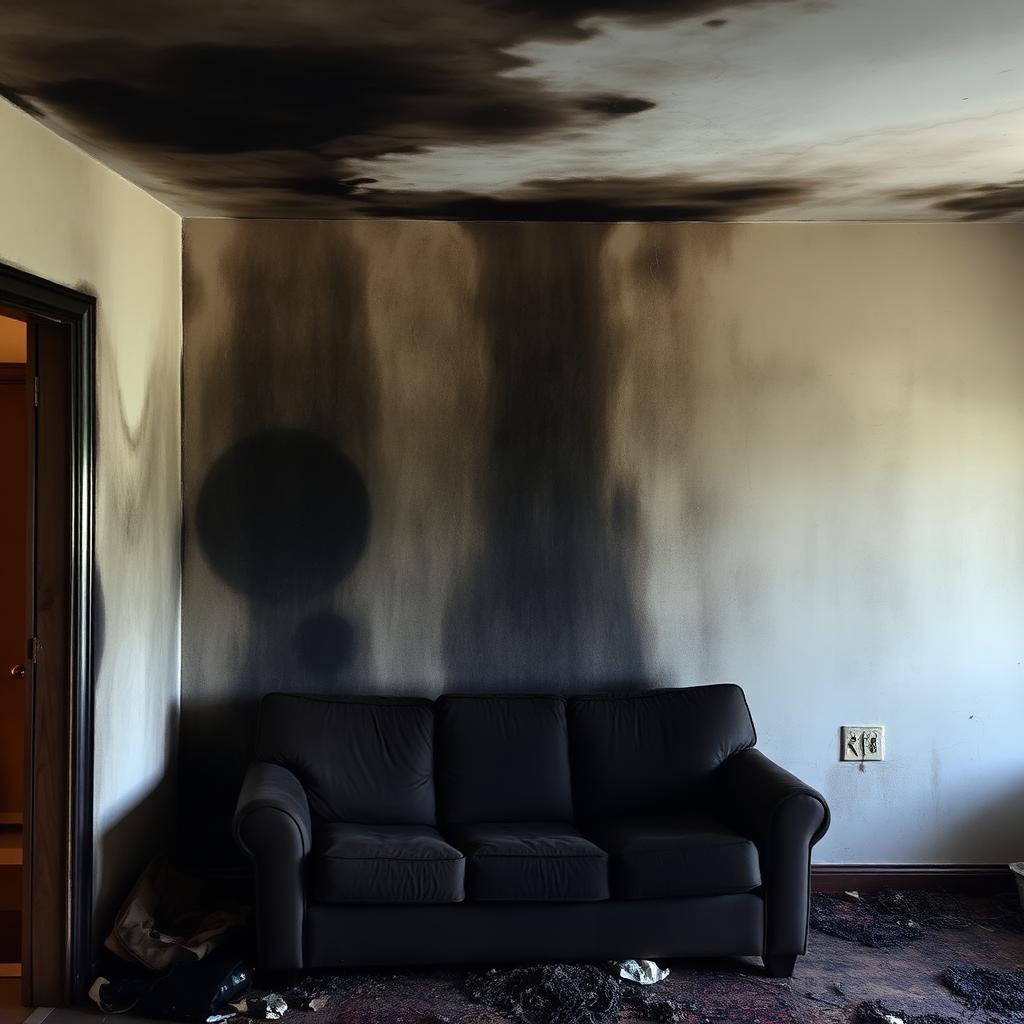
- Wet smoke (slow, smoldering, low-temp fires, plastics and synthetics): sticky, greasy, black, penetrates deeply into porous surfaces, extremely hard-to-remove odor.
- Protein smoke (kitchen fires): nearly invisible residue but overwhelmingly pungent odor that saturates cabinets, drywall, and HVAC.
Wet smoke and protein smoke are the ones that torpedo resale. A buyer walking into a listed home can smell either from the foyer — and every buyer walks out assuming the walls, subfloor, insulation, and ductwork will all need to come out.
What Smoke Damage Actually Ruins
Even in rooms untouched by flames, smoke can destroy:
- HVAC systems — soot pulled through the return coats every duct, coil, and blower. Full duct replacement is common.
- Insulation — attic and wall insulation absorbs odor permanently. Blown-in insulation typically has to be removed.
- Drywall and paint — porous surfaces hold odor. Even with sealer primer (Kilz Original oil-based), heavy contamination often requires drywall replacement.
- Cabinets, trim, and hardwood — porous wood absorbs odor and yellows from soot.
- Carpet, pad, and subfloor — carpet and pad are almost always a loss; subfloor often needs sealing.
- Electronics and appliances — acidic soot corrodes contacts and short-circuits electronics over weeks and months.
Total smoke remediation on a moderate whole-house event in Hampton Roads regularly runs $25,000–$80,000, before any drywall, flooring, or cabinet replacement.
Ready to Sell Your Hampton Roads Home Fast?
Virginia Cash Real Estate buys houses across Hampton Roads for cash — no repairs, no fees, no commissions. Get a fair cash offer within 24 hours.
How Buyers, Appraisers, and Lenders React
- Retail buyers run. Even the smell of smoke on a walk-through triggers an emotional response that no discount reliably overcomes.
- Appraisers cite smoke damage as a material condition issue, which drives values down and can flag FHA/VA loans as ineligible until repaired.
- Lenders on FHA, VA, and USDA loans often require a professional remediation certificate before they'll fund.
- Insurance may cover remediation, but often at ACV and with a recoverable depreciation holdback (see our insurance vs. cash sale breakdown).
This is why smoke-damaged houses often sit longer than fire-damaged houses on the MLS. A charred garage is a visible, boundable problem. A house that "smells funny" is an unbounded one.
The Odor Test Every Buyer Runs
Buyers and inspectors do the same three things: sniff the return vent, open a closet with the door closed for 30 seconds and then step in, and pull back a corner of carpet in a bedroom. If any of those tests read "smoky," the deal changes shape immediately — repair credits, renegotiations, or terminations.
Your Three Realistic Options
- Full remediation + list on MLS. Highest gross price, longest timeline (3–6 months of remediation, then 60–120 days on market in the current 2026 environment).
- Partial remediation + discounted listing. Faster but you're competing with buyers who will still demand full remediation credits.
- Sell as-is for cash to an investor experienced with fire and smoke damage. Fastest, cleanest, no remediation, no financing risk.
For homes with significant wet-smoke or protein-smoke contamination, option 3 is almost always the highest net option once you subtract remediation costs, holding costs, and buyer concessions.
Related Reading
- Insurance Claim vs. Cash Sale for a Fire-Damaged House
- Kitchen Fires: Selling a Home After a Cooking Fire
- Sell a House As-Is in Hampton Roads: The Complete Guide
We also buy houses in Virginia Beach in any condition, including homes that need major work.