Deciding Between Selling Your Home As-Is or Investing in Renovations
By Virginia Cash Real Estate ·
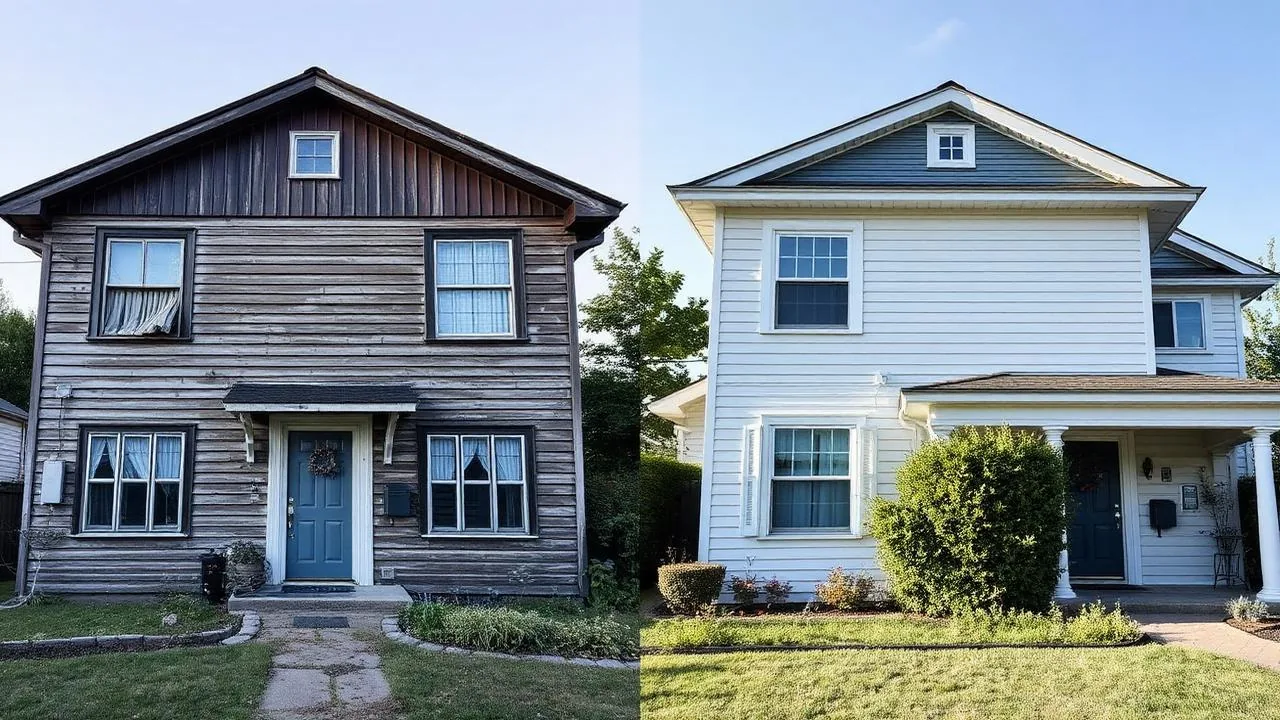
Renovating before selling makes sense when the likely increase in proceeds comfortably exceeds the cost, delay, and risk of the work. Selling as-is can be the better choice when repairs are expensive, funds are limited, or managing a project would create more strain than the potential return justifies.
Neither route always wins. Renovating sometimes nets more, and selling as-is does not necessarily mean accepting an investor's offer. You can list an as-is house with an agent, sell it yourself, or compare a direct cash offer against those alternatives.
Start with the house's current value, not its ideal value
Ask a local agent or appraiser to assess the property in its current condition. Then ask for a separate estimate of what it could reasonably sell for after a specific scope of work.
Use recent comparable sales in the same area and condition category. A newly remodeled house in another neighborhood is not a reliable guide to what your house will bring. Buyers may value roof condition, layout, and major systems differently from decorative finishes.
In Hampton Roads, use property-specific information rather than broad assumptions about what buyers want across the region. A kitchen remodel that works financially for one house may be an overinvestment for another.
For more on the selling routes available without repairs, see our complete Hampton Roads as-is selling guide.
Compare net proceeds with a simple worksheet
Build two estimates using the same assumptions about loan payoffs and transaction costs:
| Cost or benefit | Sell as-is | Renovate, then sell |
|---|---|---|
| Expected sale price | Based on current condition | Based on defined completed work |
| Repairs and preparation | Agreed minimal work, if any | Contractor bids, materials, permits, cleanup |
| Carrying expenses | Expected time until closing | Project time plus marketing and closing |
| Selling costs | Costs for the chosen sale route | Costs for the chosen sale route |
| Risk allowance | Inspection or title uncertainty | Overruns, delays, and price uncertainty |
The key calculation is:
Likely extra proceeds from renovating = expected price increase − renovation costs − extra carrying costs − additional selling costs.
For a hypothetical example, suppose a project could increase the selling price by $35,000. If the work costs $24,000 and adds $6,000 in carrying and selling expenses, the projected advantage is only $5,000 before unexpected costs. That might not be enough compensation for the risk. These figures illustrate the calculation; they are not Hampton Roads pricing estimates.
Use a conservative sale-price range and a realistic repair-cost range. If the renovation only works under the most optimistic assumptions, an as-is sale deserves serious consideration.
Separate necessary repairs from optional upgrades
Not every improvement deserves the same treatment. Divide the possible work into three groups:
- Safety or active damage: Problems such as ongoing water intrusion may worsen while you decide. Obtain qualified advice about immediate protection and safe access.
- Functional repairs: A failed system or major defect can affect buyer interest and some buyers' financing options. Get estimates before assuming repair will pay for itself.
- Cosmetic improvements: Paint, lighting, flooring, and landscaping may improve presentation, but returns depend on cost and local buyer expectations.
Avoid choosing an expensive finish package merely because it looks attractive online. Buyers may not reimburse you for your preferences. Sometimes repairing a specific defect creates more value than remodeling a room that already functions.
If the house has extensive problems, our major-repairs resource can help you organize the decision before committing money.
Ready to Sell Your Hampton Roads Home Fast?
Virginia Cash Real Estate buys houses across Hampton Roads for cash — no repairs, no fees, no commissions. Get a fair cash offer within 24 hours.
Use written contractor bids and include the full project
A rough verbal estimate is not a renovation budget. Ask for written bids describing the scope, materials, payment schedule, exclusions, and anticipated timing. Verify credentials, insurance, references, and any permit requirements relevant to the work.
Allow room for concealed damage and changes discovered after demolition. Include cleanup, disposal, temporary accommodation if needed, financing costs, and the time you will spend coordinating access and decisions.
If unpermitted work is already present, resolve the disclosure and permitting questions with appropriate professionals rather than covering it with new finishes. Do not begin a project that you cannot reasonably fund through completion; an unfinished renovation can create a different selling problem.
Test the plan against current market conditions
Ask an agent for recent local evidence: comparable closed sales, competing listings, time on market, and concessions. The relevant question is not just whether the market is “hot” or “slow,” but whether buyers are paying enough more for improved houses to support your project.
When buyers have several move-in-ready alternatives, a dated property may need a meaningful price adjustment. That does not automatically make renovation profitable. In a market with strong demand for as-is homes, extensive work may be unnecessary to attract offers.
Also consider the market you will enter after the work is complete. A renovation budget based on today's best sale price remains exposed to delays and changes in buyer demand. No contractor or buyer can guarantee future resale value.
Put time and stress into the decision
Project management has a real cost even when it does not appear on an invoice. Coordinating contractors, approving changes, living with construction, and dealing with delays may be impractical during a relocation, illness, or demanding work schedule.
Compare complete timelines. Renovating requires planning, contractor availability, construction, marketing, and closing. Selling as-is may reduce preparation time, but a buyer still needs to evaluate the house and complete title and closing requirements.
If you have a firm deadline, be cautious about relying on an uncertain construction schedule. Conversely, if you have funds, flexibility, and experienced help, a targeted renovation may be worth the effort and produce a better financial result.
Consider the middle ground before choosing either extreme
You do not have to choose between a full remodel and doing nothing. Removing personal clutter, cleaning, improving basic curb appeal, and completing a few well-chosen repairs may make listing more practical without a large project.
Ask an agent which specific tasks are likely to matter and obtain an as-is offer before spending heavily. Comparing a real offer with a realistic listing net sheet can make the decision less abstract.
A direct cash buyer typically prices in repairs, resale expenses, risk, and profit, so convenience may come with a lower price. Listing as-is offers broader exposure but involves showings, negotiations, and possible financing conditions. Selling by owner avoids hiring a listing agent but requires you to handle marketing and coordination.
As-is does not remove disclosure responsibilities
Virginia residential sellers generally provide a disclaimer/disclosure statement. Federal lead-based-paint disclosure applies to pre-1978 homes. Selling as-is does not excuse fraud or concealment of known latent defects.
Ask your closing attorney what applies to your property and describe known conditions accurately. An as-is agreement also does not necessarily eliminate inspections or every buyer cancellation right. Review the actual contract, including responsibility for repairs, remaining belongings, and possession.
Choose the route that produces an acceptable financial result within your budget and capacity—not the one with the most appealing promised sale price.
If you would like a concrete comparison, request a no-obligation cash offer from Virginia Cash Real Estate. Our family-owned Hampton Roads company buys houses as-is, so you can weigh a direct sale against the cost and potential return of renovating.