Virginia Property Tax Penalties and Interest Explained
By Virginia Cash Real Estate ·
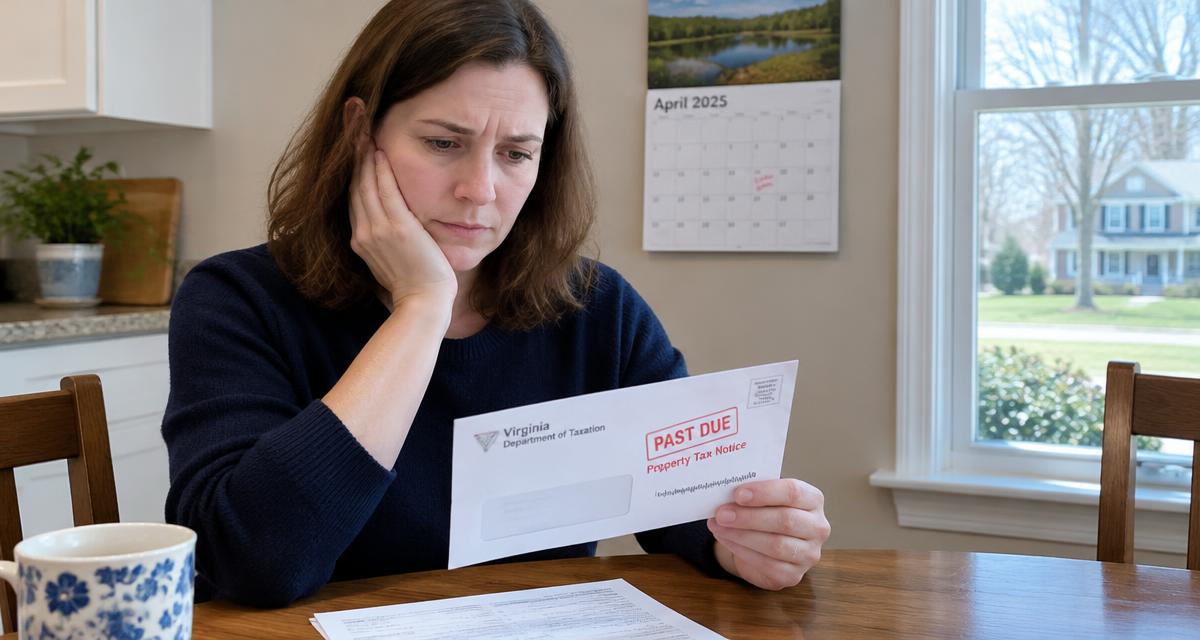
When a property tax bill goes unpaid in Virginia, the amount you owe doesn't stay the same. A penalty is added, interest starts, and if the account goes to a delinquent tax attorney, fees and court costs pile on. Here's how each charge works so you can see what you're really facing. For the bigger picture, see our Virginia tax delinquency timeline.
How Much Is the Penalty for Late Property Taxes in Virginia?
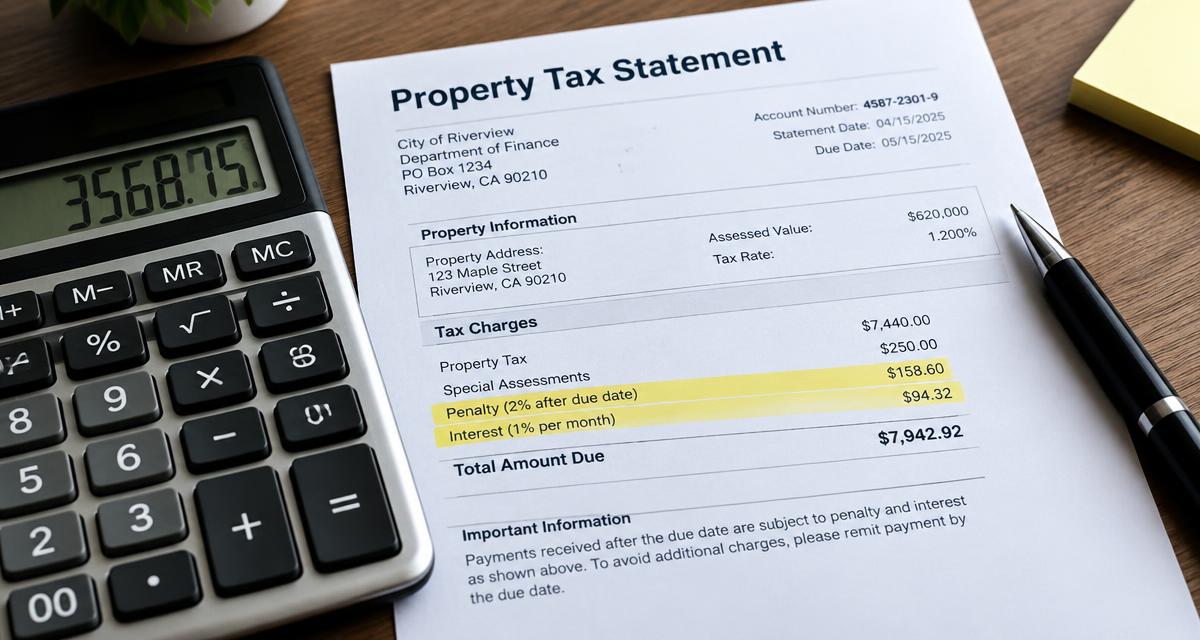
Va. Code §58.1-3915 lets each locality set its own late penalty by ordinance, within a state cap. The penalty can't be more than 10% of the tax due or $10, whichever is greater, and it can't be more than the tax itself.
Most Hampton Roads cities charge the full 10%. Check your treasurer's website or your bill to confirm your city's rate.
When is the penalty added?
It's usually added the day after the due date. Some localities give a short grace period before applying it. If you're even one day late, assume the penalty applies unless your treasurer says otherwise.
How Does Interest on Delinquent Property Taxes Work?
The same section lets localities charge interest on the unpaid tax and penalty, starting no sooner than the first day after the due date. For the first year, interest can't be more than 10% a year. After the first year, state law caps it at a lower rate tied to the federal underpayment rate. The interest keeps running until the account is paid in full.
Why interest matters more than people expect
On a single missed bill, interest feels small. But it compounds against a balance that also includes the penalty, and if several bills go unpaid, each one adds its own penalty and interest. Two or three years behind, the total can be well above the original taxes.
What Fees Are Added When Taxes Go to a Delinquent Tax Attorney?
Once a treasurer refers your account to a law firm for collection or a tax sale, more costs can be added:
- Attorney fees. Virginia law allows reasonable attorney fees to be added. Collection fees are also allowed under Va. Code §58.1-3958.
- Title search costs. The firm has to find every owner and lienholder.
- Court costs and publication fees. Filing, service and newspaper notices all cost money.
- Sale costs. If a sale goes forward, the special commissioner's fees and advertising are paid from the proceeds.
To redeem the property before the sale under Va. Code §58.1-3974, you generally have to pay all of these, not just the original tax.
A Simple Example
Say a Chesapeake homeowner misses a $3,000 annual tax bill:
- A 10% penalty adds $300.
- Interest of up to 10% in the first year adds up to about $330.
- If the next year's bill also goes unpaid, it adds its own penalty and interest.
- If the account is referred to an attorney, fees and costs are added on top.
This example only shows how the charges stack. Your actual numbers depend on your locality's rates and how far along the account is. Your treasurer can give you an exact payoff.
Can Penalties and Interest Be Waived?
Sometimes. Virginia law allows a locality to waive the penalty and interest when the delay wasn't the taxpayer's fault, for example a processing error by the locality. Treasurers have little discretion beyond that. It's always worth asking, but don't count on it.
Ways to Stop the Balance From Growing
- Pay what you can now. Payments reduce the balance interest is charged on.
- Ask about an installment plan. See our guide to Virginia property tax relief and payment plans.
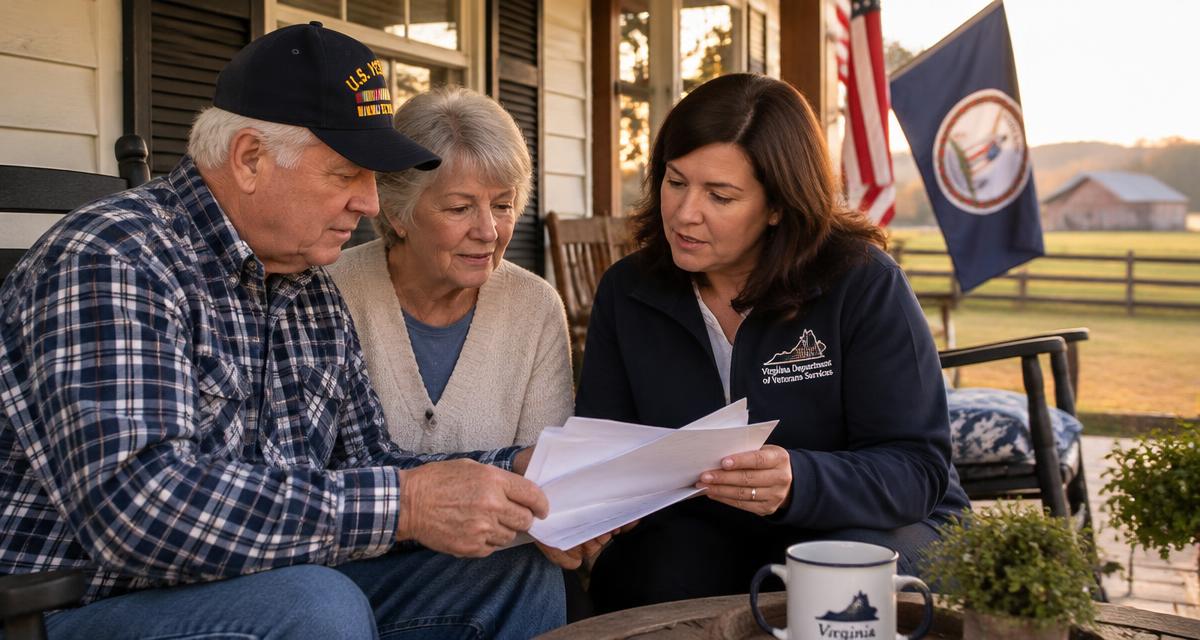
- Check relief programs for seniors, people with disabilities and disabled veterans.
- Sell before the account goes to court. The taxes, penalties and interest are paid at closing. Learn more on our tax auction help page.
Avoid Tax Auction in Any Hampton Roads City
We work with homeowners facing property tax auction across all of Hampton Roads. Click your city below to get a fast cash offer before your sale date:
Frequently Asked Questions
Talk to a Local Buyer Before the Clock Runs Out
If you're behind on property taxes anywhere in Hampton Roads, call Virginia Cash Real Estate at (757) 699-4796 or visit our tax auction help page. We'll look at your numbers honestly. If selling makes sense, we'll give you a written cash offer, pay the delinquent taxes at closing, and let you pick the closing date. If another option fits better, we'll tell you that too.
This article is general information, not legal or tax advice. Rules and rates vary by locality and change over time, so confirm the details with your city treasurer or a Virginia attorney.