Virginia Property Tax Delinquency Timeline: From Missed Bill to Tax Sale
By Virginia Cash Real Estate ·
Missing one property tax bill in Virginia doesn't mean you'll lose your house next month. But it does start a clock, and the clock is defined by state law. This guide walks through what happens, in order, from the day a real estate tax bill goes unpaid to the day a court can order the property sold. It's written for homeowners in Virginia Beach, Norfolk, Chesapeake, Portsmouth, Hampton, Newport News and Suffolk, but the state rules apply statewide.
If you're already well behind and want to talk through options now, our property tax auction help page explains how we help.
What Does "Tax Delinquent" Mean in Virginia?
A real estate tax becomes delinquent the day after the due date set by your city or county. Each locality sets its own due dates, and our city-by-city guide to delinquent property taxes in Hampton Roads explains what varies. Many Hampton Roads cities bill twice a year, and some split the bill into more installments. Your treasurer's bill shows the exact dates.
Once a payment is late, three things happen under Virginia law:
- A penalty can be added under Va. Code §58.1-3915.
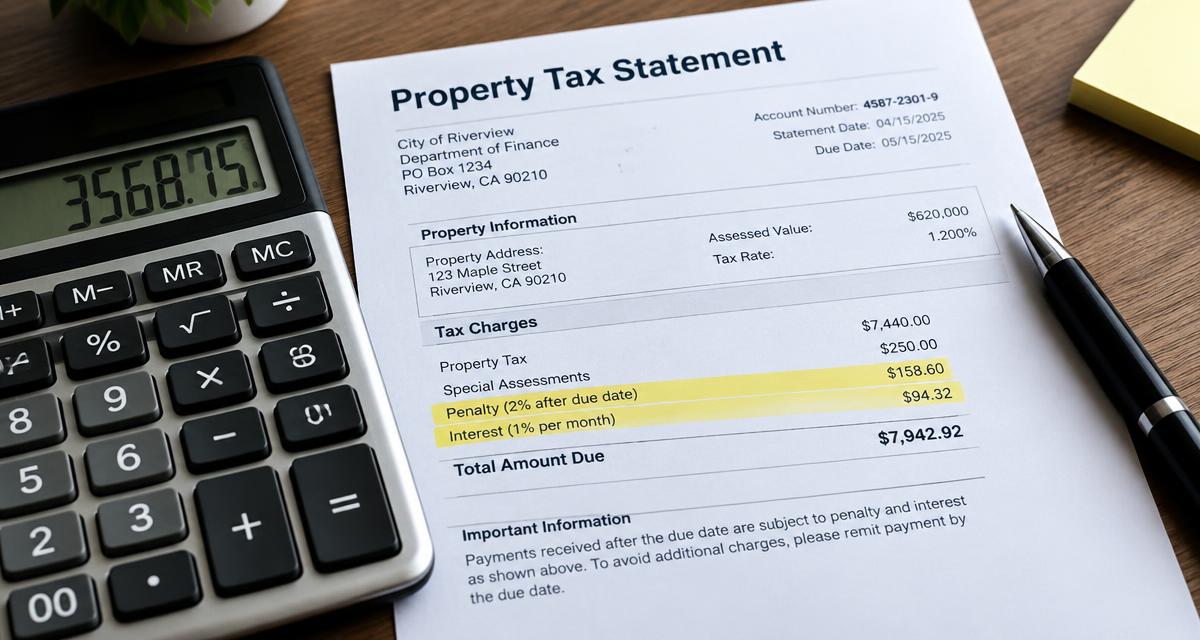
- Interest starts accruing on the unpaid tax and penalty.
- The unpaid tax is a lien on the property under Va. Code §58.1-3340, which means it follows the house, not just the owner.
For the details on how much those charges can add up to, see our guide to Virginia property tax penalties and interest.
The Virginia Tax Delinquency Timeline, Step by Step
Stage 1: The first missed payment
The treasurer adds the penalty and interest and sends a delinquent notice. Nothing has been filed in court. At this point, paying the balance clears it.
Stage 2: Collection efforts by the treasurer
Virginia treasurers have a range of collection tools for delinquent taxes. Depending on the locality, that can include demand letters, liens on wages or bank accounts, and publishing the names of delinquent taxpayers. Treasurers may also offer installment payment agreements.
Stage 3: Eligibility for a tax sale
Under Va. Code §58.1-3965, a locality can generally start a court case to sell real estate once taxes remain delinquent on December 31 following the second anniversary of the date they were due. In practice, that usually means roughly two to three years from the first missed payment, depending on when in the year the bill was due.
The statute allows a shorter window for certain properties, such as some parcels the locality has formally found to be derelict, blighted or a nuisance, or very low-value parcels. If your house has code issues, ask the treasurer whether a shorter timeline applies.
Stage 4: Referral to a delinquent tax attorney
Most Hampton Roads localities hire an outside law firm to handle tax sales. Once your file is referred, attorney fees, title search costs and court costs are added to the balance. This is often the point where the total jumps noticeably.
Stage 5: The lawsuit and court-ordered sale
The attorney files suit in circuit court. Owners and lienholders are served or notified by publication. If the taxes aren't paid, the court can appoint a special commissioner to sell the property at public auction. The sale must then be confirmed by the court.
Stage 6: After the sale
Sale proceeds pay the taxes, penalties, interest and costs first. Anything left is surplus that the former owner may be able to claim. We cover that process in what happens to surplus proceeds after a Virginia tax sale.
Can You Still Pay Before the Auction?
Yes. Under Va. Code §58.1-3974, an owner can generally redeem the property before the sale by paying all delinquent taxes, penalties, interest, costs and the attorney fees that have been incurred. After the court confirms a sale, that option is generally gone. Our article on whether Virginia is a right of redemption state explains why timing matters so much.
How Long Can a Locality Wait to Collect?
Virginia gives localities a long runway. Under Va. Code §58.1-3940, real estate taxes can generally be collected for up to 20 years after December 31 of the year they were assessed. Ignoring the bill rarely makes it go away. It usually just grows.
Your Options at Each Stage
- Early stage: Pay the balance, or ask about a payment plan or tax relief program.
- Middle stage: Refinance, borrow against equity, or sell on the open market if you have time and the house shows well.
- Late stage (attorney referral or lawsuit filed): A fast sale can pay off the full balance at closing, stop the case, and leave the remaining equity with you. See how to avoid a property tax auction in Hampton Roads.
Avoid Tax Auction in Any Hampton Roads City
We work with homeowners facing property tax auction across all of Hampton Roads. Click your city below to get a fast cash offer before your sale date:
Frequently Asked Questions
Talk to a Local Buyer Before the Clock Runs Out
If you're behind on property taxes anywhere in Hampton Roads, call Virginia Cash Real Estate at (757) 699-4796 or visit our tax auction help page. We'll look at your numbers honestly. If selling makes sense, we'll give you a written cash offer, pay the delinquent taxes at closing, and let you pick the closing date. If another option fits better, we'll tell you that too.
This article is general information, not legal or tax advice. Rules and rates vary by locality and change over time, so confirm the details with your city treasurer or a Virginia attorney.