The Advantages of Selling Your Probate Home for Cash
By Virginia Cash Real Estate ·
Selling a probate home for cash can help an estate avoid funding repairs, reduce carrying expenses, and remove the buyer's mortgage approval from the transaction. Those benefits can matter when the house needs work or the estate has limited cash available for upkeep.
The important limit is that a cash buyer cannot bypass Virginia's estate requirements. Whoever signs must have authority to sell, title must be transferable, and any required court authority must be addressed. A cash sale may simplify the real estate transaction without making the entire probate process shorter.
What “probate home” means for a Virginia seller
“Probate home” is an informal description of a house connected to a deceased person's estate. It does not tell you who owns the house now or who may sell it. Not every house belonging to someone who died follows the same estate process.
Virginia probate is handled through the circuit court clerk. The deed, ownership arrangement, will, and estate circumstances help determine what must happen before a sale. An executor handles an estate under a will; an administrator may serve in other circumstances. Either may need authority under the will or from the court to sell real estate.
The practical first step is a document review by a Virginia estate attorney and the closing professional. Our Virginia probate guide for inherited houses explains the broader context, but the authority to sell must be determined for the particular estate.
Executor authority and court approval are separate questions
Being named executor does not mean you should immediately sign a contract. Confirm qualification, the scope of any power of sale, and whether the proposed transaction falls within that authority.
It is equally misleading to say that every Virginia estate sale requires a judge to approve the buyer and price. Whether additional court authority or approval is needed depends on the will, title, and estate circumstances. Some sales can proceed using existing authority; others require additional legal steps.
Ask your attorney specific questions before committing:
- Who must sign the purchase agreement and deed?
- Does the will provide sufficient authority for this sale?
- Is additional court authority required, and at what stage?
- What restrictions affect the handling of proceeds?
Agreement among heirs can help, but it is not a substitute for legally sufficient authority. If ownership or authority is disputed, a buyer's willingness to pay cash does not resolve the problem.
Can the house be sold while probate is still underway?
A sale may be possible before estate administration is complete if the necessary authority, title requirements, and other legal conditions are satisfied. There is no universal rule that every estate must finish every administrative task before selling a house.
However, the sale and the closing of the estate are different events. Proceeds may need to be retained for obligations, expenses, and later distribution. Beneficiaries should not assume the closing professional will divide the full purchase price equally among them.
Tell prospective buyers about the estate situation at the start. Use a closing date grounded in the attorney's and title professional's assessment, not an advertisement promising a set number of days. If approvals are unresolved, have counsel address that uncertainty in the contract.
Ready to Sell Your Hampton Roads Home Fast?
Virginia Cash Real Estate buys houses across Hampton Roads for cash — no repairs, no fees, no commissions. Get a fair cash offer within 24 hours.
Why an as-is sale can help an estate with limited funds
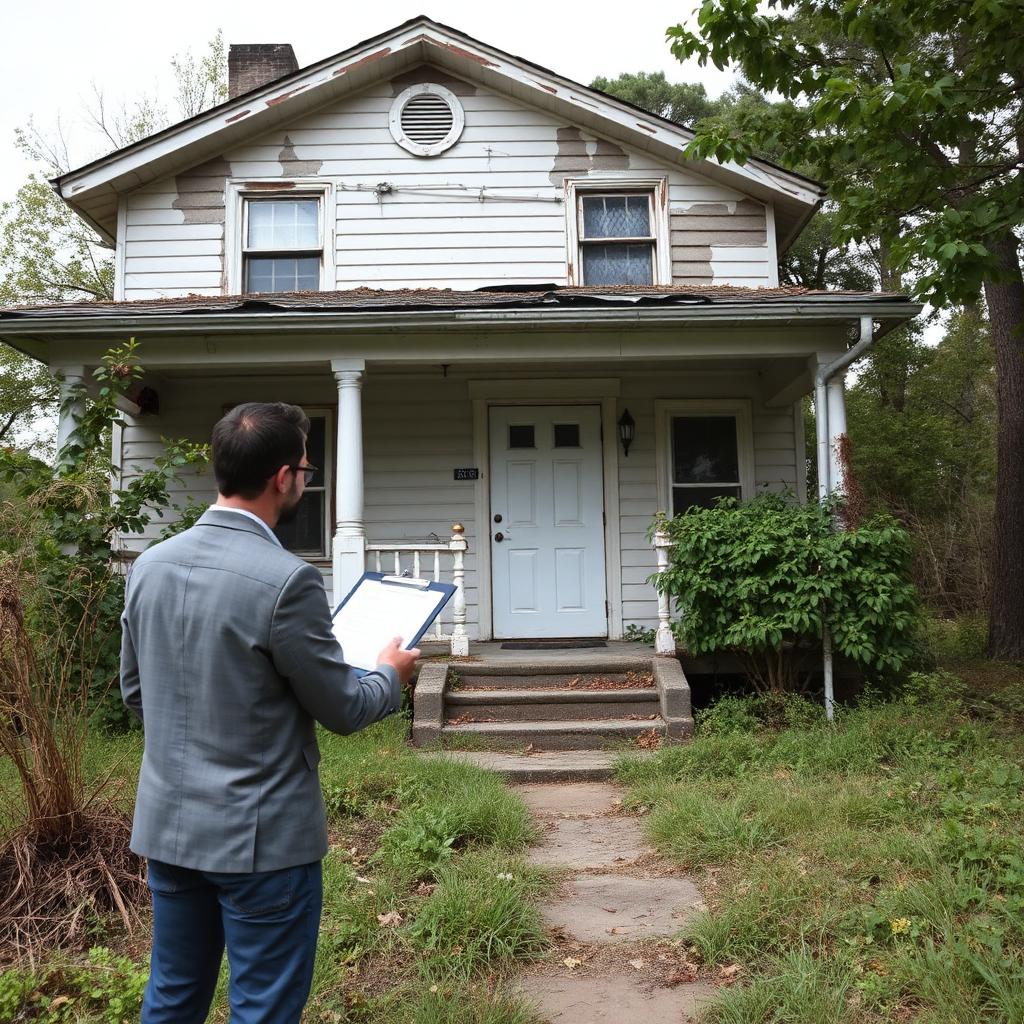
A house may have substantial value but still leave the estate short of money for repairs. A roof replacement or extensive cleanout can require immediate spending, contractor supervision, and decisions among several beneficiaries.
Selling as-is can avoid that upfront project. The buyer evaluates the existing condition and builds anticipated work into the offer. This can be useful for an older Hampton Roads house with deferred maintenance, especially when the personal representative lives elsewhere.
Clarify what “as-is” covers. Does the buyer accept remaining furniture? Is any debris removal required? Will the buyer inspect, and can that inspection lead to renegotiation? Put the answers in the agreement rather than relying on an informal assurance.
An as-is sale still requires attention to disclosure obligations. Virginia residential sellers generally provide a disclaimer/disclosure statement, and federal lead-based-paint disclosure applies to pre-1978 homes. Estate circumstances may affect applicable requirements, so ask the closing attorney what is needed. Selling as-is does not excuse fraud or concealment of known latent defects.
Fewer buyer-financing hurdles and less ongoing management
A verified cash buyer does not need mortgage underwriting. That removes one potential cause of delay, although inspections, title defects, and contract contingencies can still affect the outcome.
A direct sale may also mean fewer showings and less coordination. That can reduce the personal representative's workload while insurance, utilities, property taxes, and maintenance continue. Reduced marketing is not complete privacy: property transfers involve recorded documents.
Calculate the estate's monthly carrying costs so you can evaluate the value of an earlier closing. Avoid treating speed as an end in itself. A modest delay for broader marketing may be worthwhile if it is likely to improve the estate's net return significantly.
Compare the estate's net return, not just convenience
A personal representative should seek advice about duties to the estate and beneficiaries before selecting an offer. Documenting the property's condition, obtaining an independent valuation, and comparing alternatives can support an informed decision.
Listing with an agent can expose the house to more buyers and may bring a higher price, including for an as-is property. A direct investor offer generally reflects repair costs, resale risk, and profit. It should not be represented as automatically equal to retail market value.
There are no agent commissions when selling directly to Virginia Cash Real Estate. Still, mortgage balances, liens, taxes, and allocated closing costs can reduce proceeds. Ask for a written estimate rather than assuming the full contract price will be available to the estate.
Request proof of funds, review cancellation and assignment provisions, and keep independent legal advice involved. Our cash-buyer evaluation checklist and inherited-property resources can help you prepare questions without substituting for estate counsel.
If a direct sale belongs among the estate's options, request a no-obligation cash offer from Virginia Cash Real Estate. Our family-owned Hampton Roads company buys houses as-is, and you can compare the written terms with listing before making a decision.