Inherited a House in Hampton Roads? Your Options Explained
By Virginia Cash Real Estate ·
Inheriting a house in Hampton Roads can mean sorting through decades of belongings, coordinating with out-of-state family members, and deciding what to do with a property while grieving. Selling is one option, but it isn't the only one. You may want to live in the home, rent it out, list it with an agent, or sell directly to a buyer.
This guide explains how to establish ownership and sale authority, assess the property's condition, and compare the responsibilities, costs, and timing of each route in Virginia Beach, Norfolk, Chesapeake, Hampton, Newport News, Portsmouth, and Suffolk. Start with the legal and financial facts before choosing a buyer or committing to repairs.
What Happens When You Inherit a House in Virginia
First, gather the current deed, any will or trust documents, death certificate, mortgage statements, insurance information, and available tax and repair records. These help a Virginia estate attorney and the closing title professional determine who owns the property and who can sign for a sale.
Do not assume that every inherited house must wait for an estate to finish probate. Virginia law provides for real estate not effectively disposed of by will to pass through intestate succession; identifying the heirs and documenting title still matters. 2
Qualification gives a personal representative authority to administer the estate, but does not by itself establish authority to sell its real estate. The deed, will, any court order, and required owner signatures need review. Virginia's statutes address an executor's power to sell real estate directed by a will to be sold. 1
Does probate apply to this property?
The answer depends on how the home was owned and the documents involved. Probate of a will and qualification of a personal representative are related but distinct steps; Virginia circuit courts and their clerks handle these proceedings. Ask the appropriate circuit court clerk about filing requirements and an estate attorney about their effect on your property. 2
Tell the attorney if the deed names a trust, includes survivorship language, or is a transfer-on-death deed. These arrangements can affect whether the home passes outside probate, but the actual documents must be reviewed. Virginia expressly permits a transfer-on-death deed to transfer property to beneficiaries at the owner's death. 1
There is no single probate-to-sale timeline that fits every inherited home. A sale may be possible before estate administration ends when the proper seller has authority and title requirements are met; unresolved ownership, creditor, or signature questions can delay any route. Have the attorney and title professional confirm the requirements before promising a closing date.
Why Inherited Properties in Hampton Roads Come With Unique Challenges
An inherited home may need more than a decision about its asking price. Before comparing options, assess these practical issues:
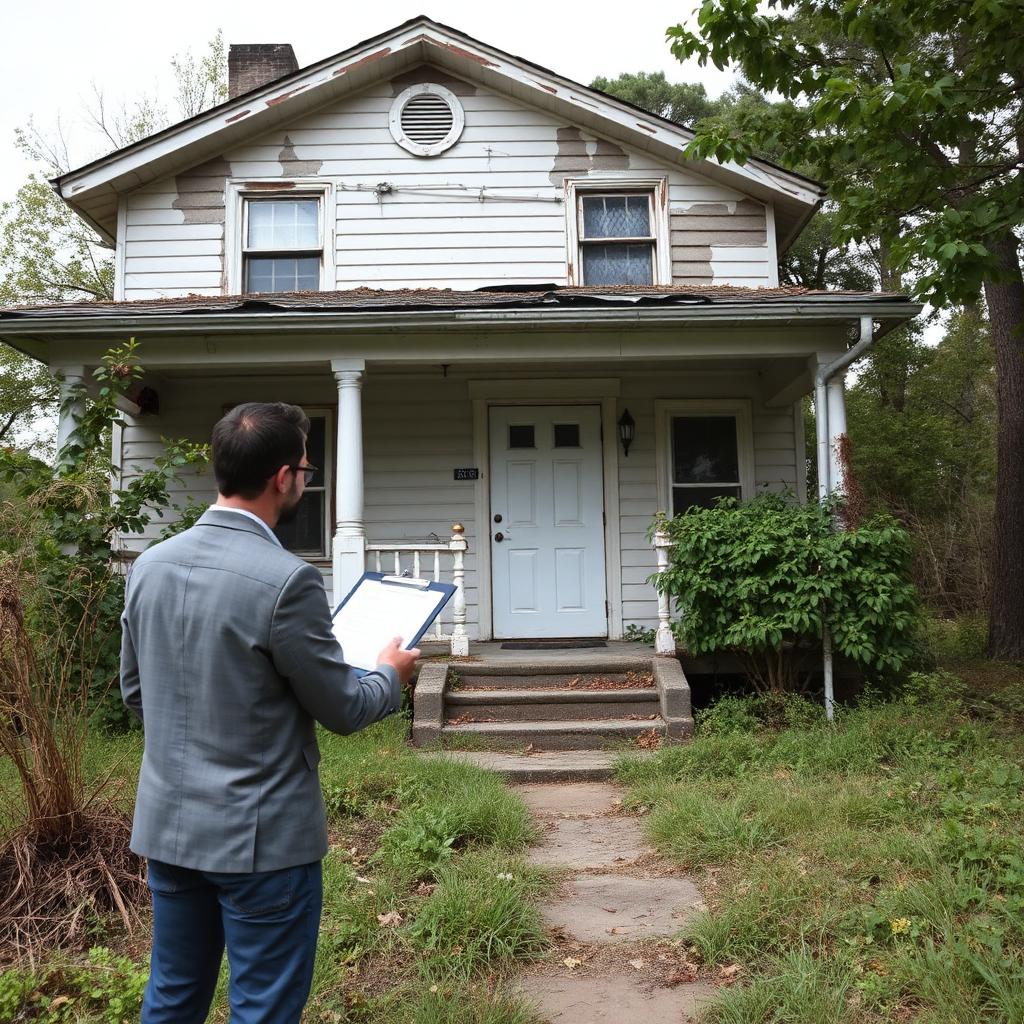
Deferred maintenance — Roof issues, aging HVAC systems, and outdated plumbing or electrical systems can affect your budget. Get condition assessments and written estimates before deciding whether repairs are worthwhile. A traditional listing does not automatically require renovating the house first.
Contents and cleanout — A lifetime of belongings can be one of the most emotionally exhausting aspects of an inherited property. Separate sentimental items and important records from items to sell, donate, or dispose of. Agree with the family on what happens to possessions before authorizing a cleanout.
Multiple heirs — Family members may have different priorities about price, timing, and keeping the home. Document those preferences early. Ask the attorney which owners or authorized representatives must approve and sign for the proposed transaction rather than assuming one relative can act for everyone.
Title complications — Liens and unclear ownership history can complicate a sale. Unpermitted work can also raise separate condition or permitting concerns. Identify these issues before spending on improvements.
Distance — Out-of-state family members may need local help with inspections, maintenance, showings, or property management. Include that help in the cost comparison.
Also check occupancy, security, utilities, insurance coverage, mortgage status, and property-tax records. Confirm coverage for any vacancy with the insurer and discuss payment arrangements with the servicer rather than assuming bills or coverage pause during estate administration.
Ready to Sell Your Hampton Roads Home Fast?
Virginia Cash Real Estate buys houses across Hampton Roads for cash — no repairs, no fees, no commissions. Get a fair cash offer within 24 hours.
Compare Your Options: Keep, Rent, List, or Sell Directly
Compare each route using the same property condition and realistic estimates. None removes the need to resolve ownership and title questions.
| Route | Responsibilities | Costs and trade-offs | Timing considerations |
|---|---|---|---|
| Keep and live in the home | Coordinate ownership with other heirs; plan occupancy, maintenance, and any repairs | Budget for financing or an agreed buyout if needed, insurance, taxes, utilities, and ongoing upkeep | Moving plans depend on legal arrangements, occupancy, and habitability; this is an ongoing commitment rather than a sale |
| Rent it out | Prepare the home, assess landlord requirements, find tenants, and manage repairs and rent collection | Allow for repairs, insurance, management, vacancy, and ongoing ownership costs; rent is not guaranteed profit | Preparation and finding a tenant take time; management continues throughout the tenancy |
| List as-is with an agent | Agree on pricing, provide access, and review offers and contingencies | May reach a broader buyer pool without major renovations; allow for negotiated agent compensation, closing costs, carrying costs, and possible concessions | Marketing, inspections, buyer financing, and title work affect timing; an as-is listing is not necessarily a cash sale |
| Repair, then list | Arrange estimates, contractors, payment, and oversight before marketing | Requires upfront funds and carries overrun risk; a higher sale price may not recover every improvement cost | Adds repair time before marketing and the buyer's closing process |
| Sell directly to a buyer | Compare written offers, verify the buyer's ability to close, and agree on condition and contents | May reduce preparation and showings, but the offer may be lower than a market listing; fees and terms vary | An agreed closing can involve fewer marketing steps, but title, authority, and contract conditions still control timing |
Compare net proceeds, not just the headline price
For each sale route, estimate:
Expected sale price − mortgage and lien payoffs − seller closing costs and agreed fees − repairs, cleanout, and concessions − carrying costs until closing = estimated net proceeds.
Ask an agent for an as-is valuation and a separate estimate of what selected repairs might change. Compare those estimates with written direct offers on the same basis. Check who pays each cost, what happens to belongings, whether there are inspection or financing contingencies, and when either party can cancel.
For keeping or renting, build a separate ongoing budget rather than treating the home's value as spendable cash. Consider reserves for larger repairs, the time required to manage it, and whether the arrangement works for all owners. Ask a qualified tax professional about your property's basis, any potential sale or rental tax consequences, and the records to retain; these depend on the circumstances.
Choose a Route Before Committing to Major Spending
A practical order is to confirm ownership and authority, secure and assess the home, gather cost estimates, and then compare the routes with everyone involved. Avoid paying for a full renovation simply because the house looks dated, or choosing a direct sale solely because it sounds faster. The right choice depends on the family's goals, available funds, condition, and ability to manage the property.
If a direct sale fits your comparison, you can request a no-obligation offer from Virginia Cash Real Estate through our inherited-property help page. Compare the written terms with your other options before deciding.
This guide is general information, not legal or tax advice. A Virginia estate attorney, closing title professional, and qualified tax adviser can address your specific circumstances.