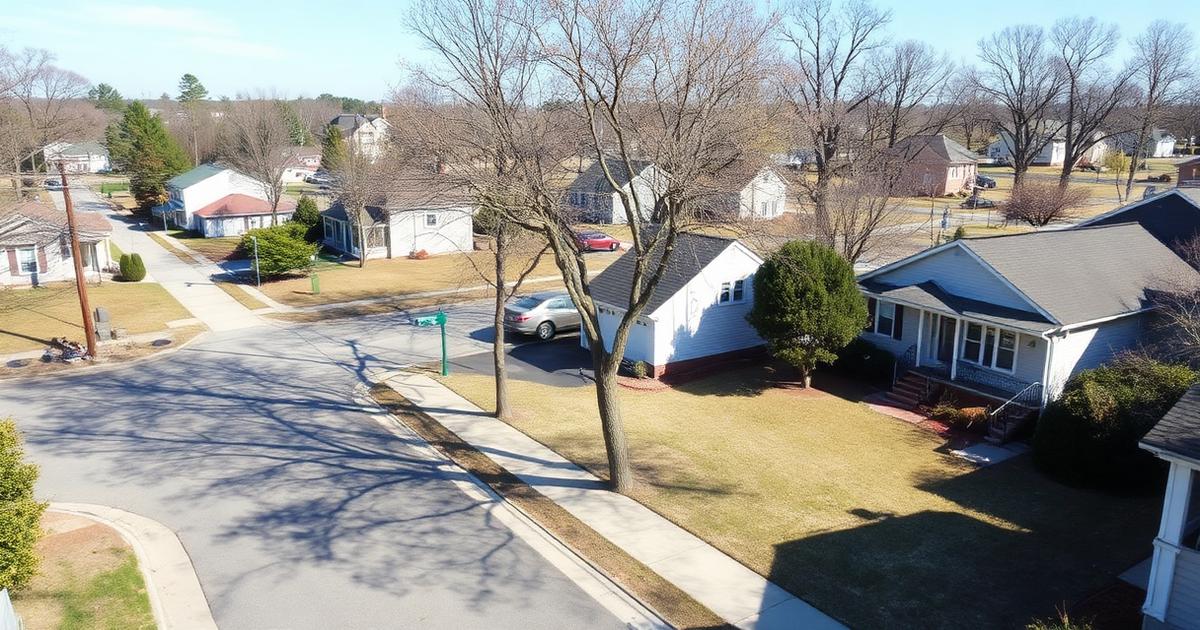

Leaving the Landlord Role: Hampton Roads Rental Sale Options
By Virginia Cash Real Estate ·
Leaving the landlord role is a financial decision and a practical one. A rental can still have equity while demanding more time, maintenance or attention than you want to give it. For Hampton Roads owners managing from out of state, including military households after a PCS move, even routine access and repairs can become difficult.
The best exit is not automatically the fastest sale or the highest advertised price. It is the route that fits your lease obligations, available funds, expected proceeds and tolerance for uncertainty. Use this guide to compare four choices: selling with tenants in place, selling vacant, preparing for a traditional listing, and considering a direct cash sale.
Start with the reason you want to leave
Write down what would make keeping the rental workable—and whether that change is realistic. Common pressure points include unpaid rent, repeated maintenance, an inherited property you never wanted to manage, distance, retirement planning or simply wanting your time back.
Use your own numbers. Review the rent ledger, taxes, insurance, management charges, HOA costs and recent repairs. Older properties in Norfolk or Portsmouth may need significant work, while coastal exposure can affect insurance and maintenance elsewhere in the region. Obtain actual quotes rather than assuming every Hampton Roads rental has the same costs.
Separate ordinary expenses from one-time repairs, and account for upcoming work such as a roof or HVAC replacement. If you are considering a property manager instead of selling, include that cost too. This gives you a meaningful baseline for judging the sale alternatives.
Option 1: Sell with tenants in place
An occupied sale may suit a property with a documented lease, reliable income and a buyer interested in continuing the rental. It can avoid an intentional vacancy and some turnover work. It can also narrow the buyer pool if purchasers want a home for their own use.
Prepare a tenant file containing:
- The signed lease, renewals and amendments.
- A rent ledger showing payments, arrears and any concessions.
- Security-deposit records and relevant notices.
- Maintenance requests, repair history and unresolved disputes.
- Information about housing-assistance contracts or pending proceedings.
A sale generally does not itself end an existing tenancy. Have a Virginia attorney review the lease and applicable landlord-tenant rules rather than assuming the buyer can require an immediate move-out. Plan lawful access for photographs, inspections and showings; tenant cooperation should not be taken for granted.
If Housing Choice Voucher assistance is involved, confirm transfer requirements with the administering housing authority. Arrange the handling of deposits, rent prorations, records and tenant communications through the closing process. Do not assume assistance payments or obligations transfer without documentation.
Option 2: Sell vacant
Vacancy can make access and condition assessment easier and may appeal to owner-occupants. It also means carrying a property without rent while paying utilities, insurance, taxes, debt service and upkeep.
First establish when lawful possession is actually available. Lease expiration, agreed surrender and eviction are different paths; none should be assigned a generic timeline. Do not change locks, remove belongings or cut utilities to force an exit. If a dispute or court case is active, get legal advice before promising vacant possession in a sale contract.
Build a vacant-sale budget with these items:
- Lost rent during turnover and marketing.
- Cleaning, removal of belongings and necessary safety work.
- Insurance requirements for vacancy and property checks.
- Yard care, utilities and ongoing maintenance.
- A reserve if the sale takes longer than expected.
Compare this total with the likely benefit of vacancy. A higher vacant-sale price is not necessarily a higher net once the waiting period and preparation are included.
Ready to Sell Your Hampton Roads Home Fast?
Virginia Cash Real Estate buys houses across Hampton Roads for cash — no repairs, no fees, no commissions. Get a fair cash offer within 24 hours.
Option 3: Prepare for a traditional listing
A traditional listing can be occupied or vacant, and it can be offered as-is. You do not have to renovate everything simply because you use an agent.
Ask an agent familiar with local rentals for two estimates: a sale in current condition and a sale after specific, quoted improvements. Discuss the likely buyer pool, showing arrangements and whether property condition may limit financing. For each repair, compare expected value with the cost, time and risk of doing the work.
Obtain an itemized seller-cost estimate. Agent compensation is negotiable; closing charges, credits and carrying costs also affect your proceeds. Avoid comparing an optimistic repaired asking price with a firm offer on the property as it stands today.
This route may be worth the effort when you have cash for preparation, time to market and a manageable tenant situation. It may be less practical if access is disputed, major repairs cannot be funded or holding costs are exhausting your reserves.
Option 4: Consider a direct cash sale
A direct buyer may evaluate an occupied rental, a vacant property or a house needing substantial repairs without requiring a retail-ready presentation. The tradeoff may be a lower purchase price in return for less preparation and a different closing process.
Ask whether the buyer accepts the current tenancy, how any pending eviction will be handled, and what conditions allow cancellation or a price change. Review proof of funds, assignment rights, inspection periods, deposit terms and cost allocation. Cash does not remove title problems or guarantee a closing date.
Virginia Cash Real Estate buys Hampton Roads rentals as-is, including occupied and vacant properties, single-family homes and small multifamily buildings. It also considers properties with active eviction proceedings; the case and transfer obligations still need review. There is no agent commission when selling directly to VCRE, but liens, prorations and agreed seller expenses can reduce proceeds.
The tired-landlord service page explains that service. The separate rental-property cash-sale page covers the direct-sale option in more detail. Neither replaces review of your lease or a comparison with listing.
Compare all routes on one worksheet
For each feasible route, record expected price, preparation costs, selling costs, mortgage and lien payoffs, carrying costs and estimated proceeds. Note the assumptions behind the timeline and what happens if it slips. Include the personal workload: arranging access, coordinating contractors and managing tenant communications.
Before signing, discuss capital gains, depreciation recapture and any planned 1031 exchange with a qualified tax adviser. Exchange planning needs to happen before closing; it is not simply a matter of reinvesting the proceeds later. Tax consequences can apply whether you list or sell directly.
Keep the property-specific comparison local. VCRE's existing service resources include Virginia Beach, Norfolk, Chesapeake and Hampton, with service also across Newport News, Portsmouth and Suffolk.
For a written direct-sale option to put beside your listing estimates, request a no-obligation offer from Virginia Cash Real Estate. Share the lease status, condition and any pending proceedings so the proposed terms reflect the actual property.